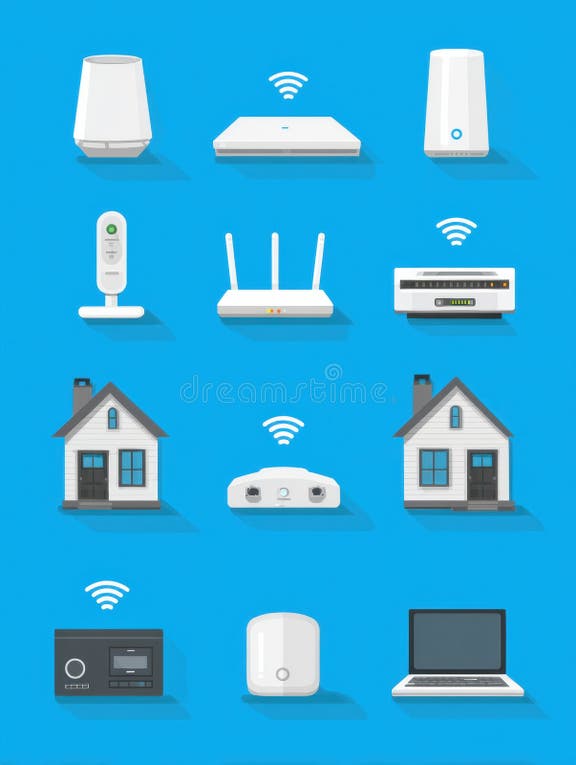
Routers are devices that enable your other devices (e.g., phones, laptops, desktop computers, and smart devices) to connect wirelessly to the internet. This guide will help you adjust settings that are common to all routers for better privacy and security.
Boost your router security with expert tips! Learn how to safeguard your home network with strong passwords, WPA3 encryption, VPNs, and more. Stay protected!
Despite all of the improvements, routers (and modem-router combo units) still represent a prime target for malicious attacks, especially if your security is lax. Do yourself a favor take 15 minutes and make sure you're doing everything you can to keep your network secure.

Learn how to secure your home Wi-Fi network with simple steps to protect your devices, create a private home network, and maintain a secure broadband connection.
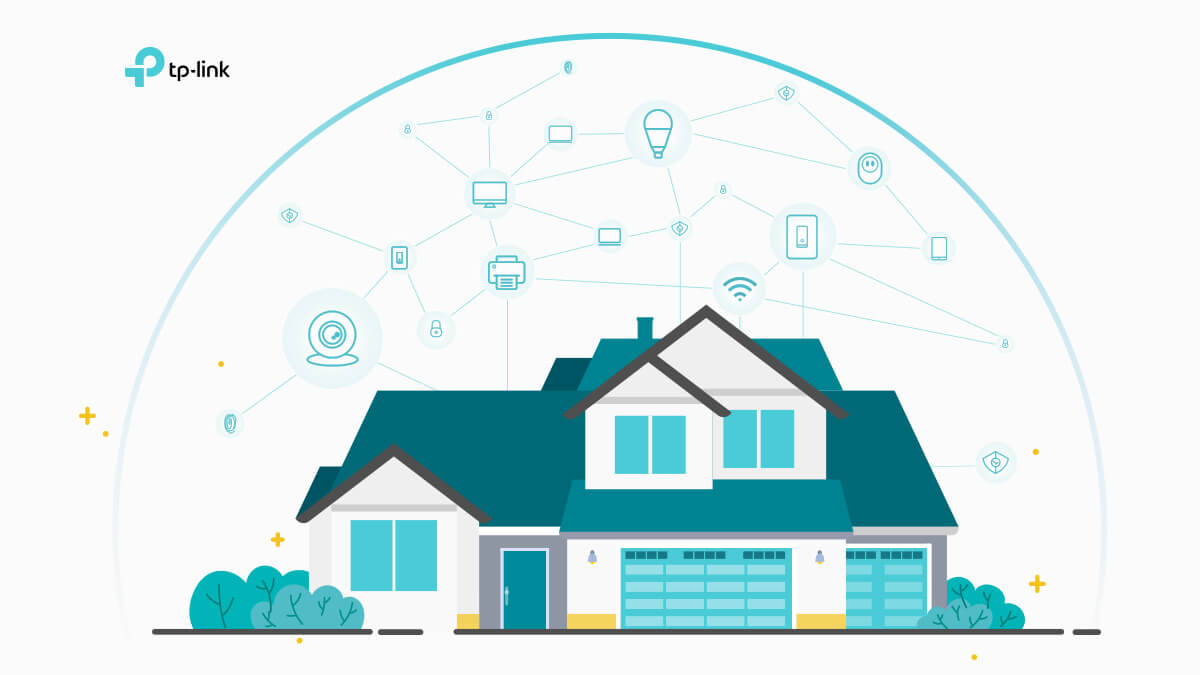
Selecting a Wi-Fi router with the latest security protocols and keeping your home network locked down are essential to preventing you from inadvertently helping a major cybercrime network.

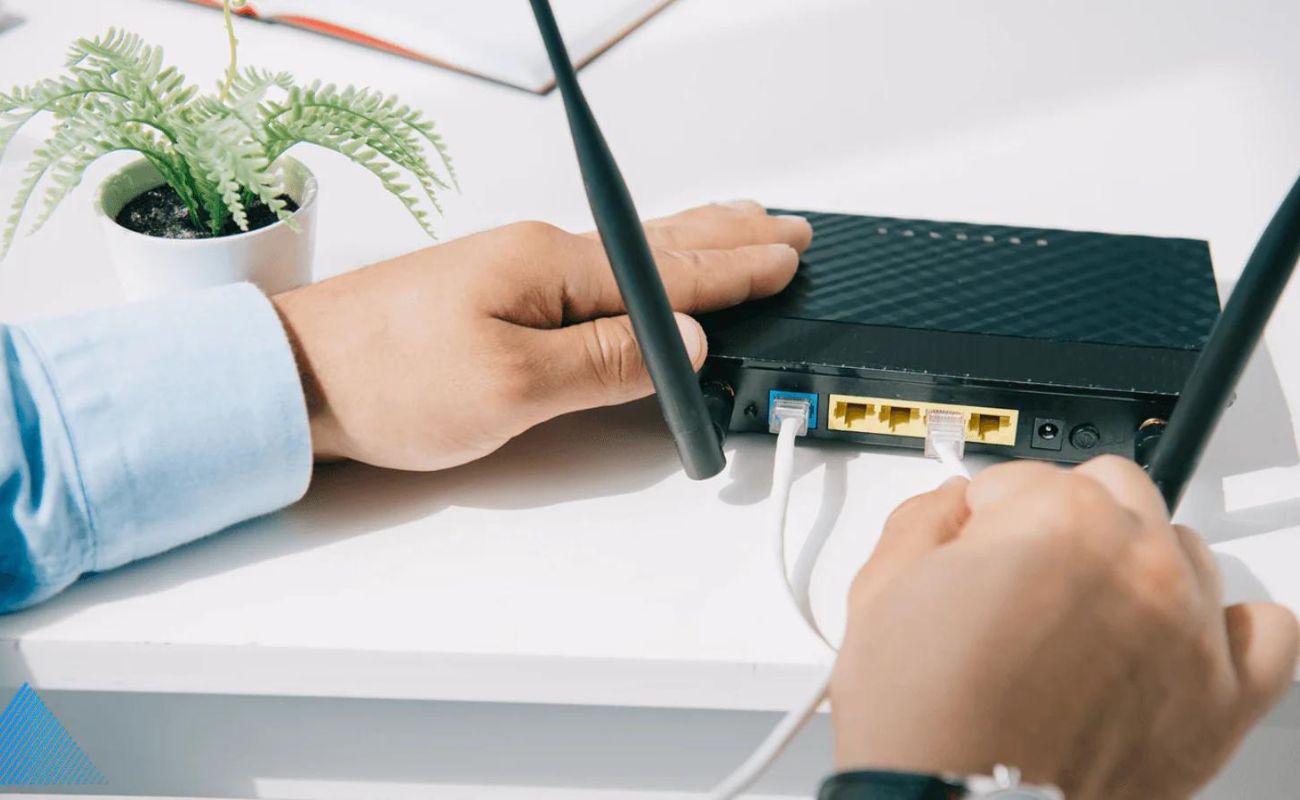
Tip The steps below require access to the router setup, and we also recommend configuring wireless security over a computer with a wired connection to the router if possible. For help entering the router setup, see: How to access a home network router setup or console.
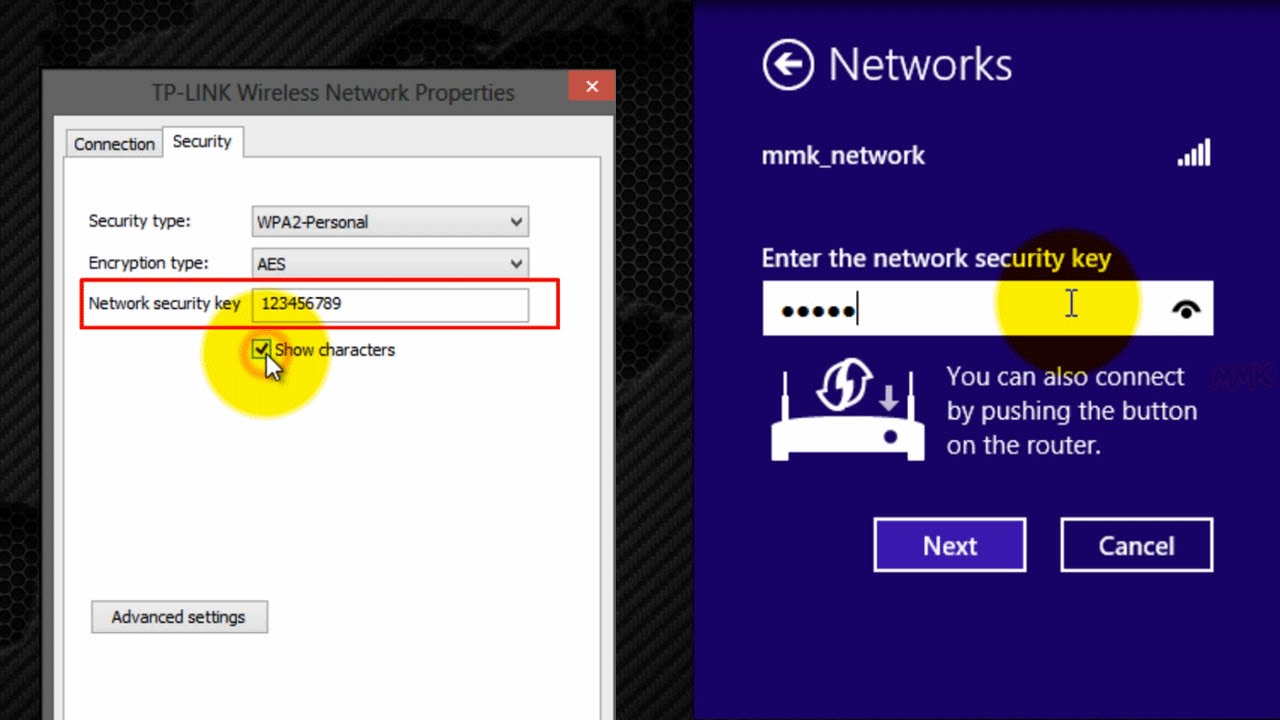
A wireless network at home lets you get online from more places in your house.Some routers support Wi-Fi Protected Setup (WPS). If your router supports WPS and its connected to the network, follow these steps to set up a network security key
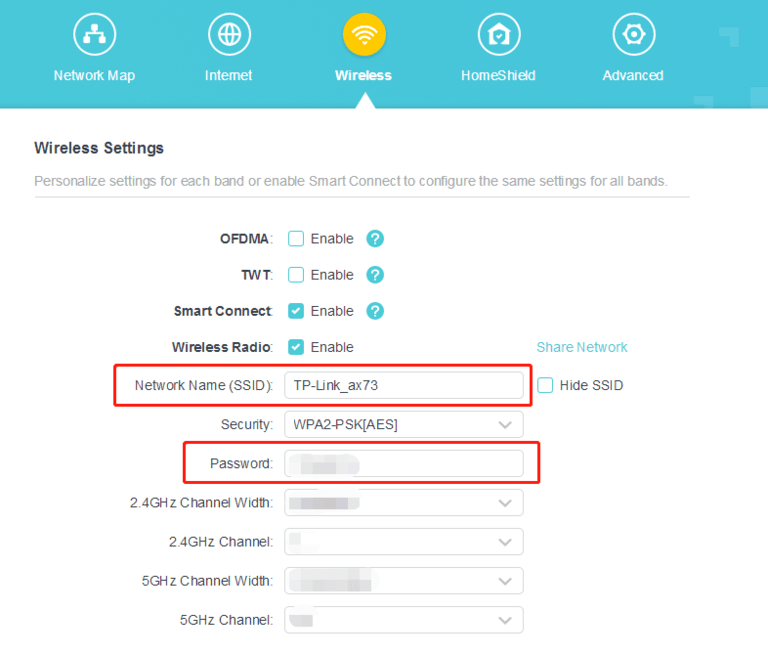
Step 2. Click Advanced > Wireless > Wireless Settings to open the wireless settings page.Network Name and Password. Advanced Settings (Select one Wi-Fi network, then tap Advanced). Including Security, Hide SSID, Mode, Channel Width, Channel, and MU-MIMO.