Learn what encrypted DNS traffic is, how it works, and why it matters for privacy, security, and preventing ISP tracking and data leaks.
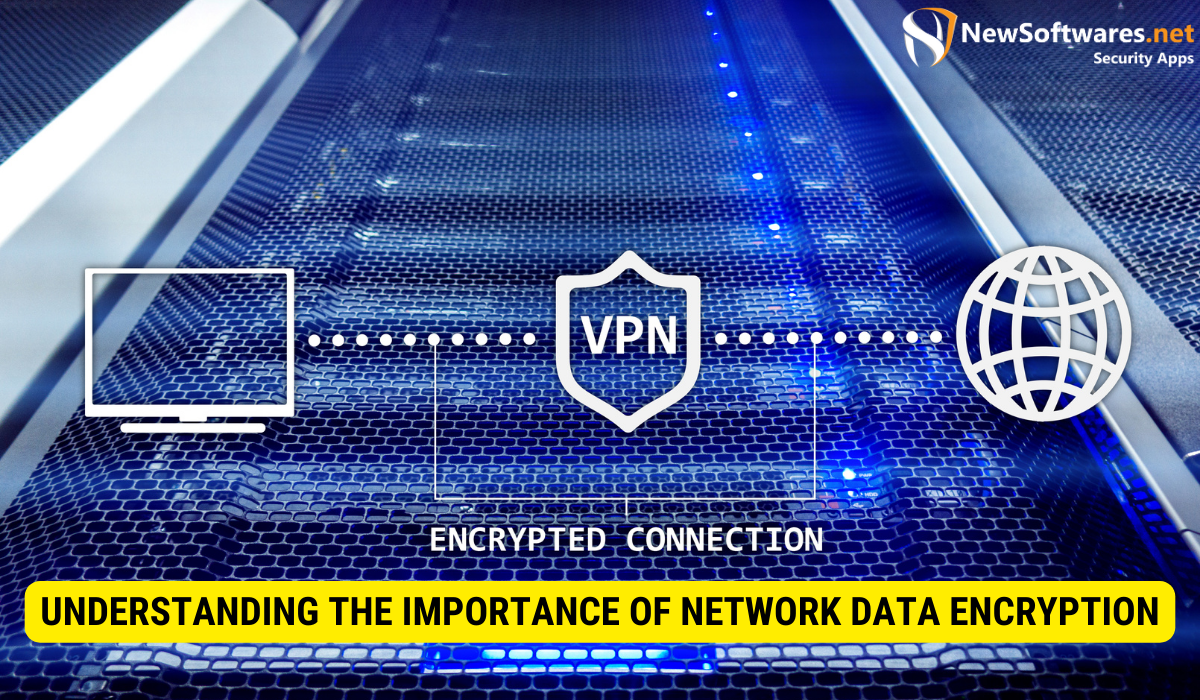
Implementing secure network traffic protocols like TLS (Transport Layer Security) and VPNs (Virtual Private Networks) is a fundamental step. These protocols encrypt data packets, making them unreadable to unauthorized parties.
Secure Your Network Traffic Encrypt Your Network Requests. Introduction.Network traffic encryption involves encoding data that is transferred over a network, making it unreadable to unauthorized users.
Tunneling: Creates secure tunnels for routing other protocols, akin to VPN connections. X11 Forwarding: Allows graphical applications from Unix-like systems to be used over the network.
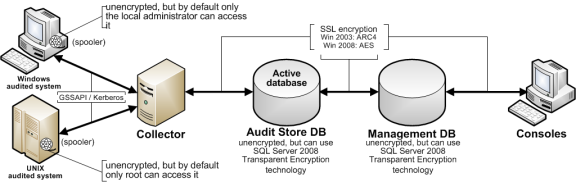
HTTPS connection securely encrypts traffic through port 443. A shared symmetric key is distributed over HTTP through an SSL/TLS connection using public key encryption (where there are two keys: public and private), and this key is then used for bulk transmission.

Such details provide a deeper understanding and appreciation for Understanding Secure Network Traffic Encryption.
Encryption: The VPN client encrypts the users network traffic. Encapsulation: The encrypted network traffic is encapsulated within another packet/protocol, which includes a header and payload.
Port 443 facilitates secure communication by acting as the default entry point for HTTPS traffic. Unlike plain HTTP connections, traffic sent through port 443 is encrypted using TLS (formerly SSL), which protects data from interception and tampering while in transit.

This particular example perfectly highlights why Understanding Secure Network Traffic Encryption is so captivating.
mTLS helps ensure that traffic is secure and trusted in both directions between a client and server. This provides an additional layer of security for users who log in to an organization's network or applications.