Transcriptomics Of Autoimmune Diseases Identifies Fgfr1 As A Target For
Discovering the Beauty of Transcriptomics Of Autoimmune Diseases Identifies Fgfr1 As A Target For in Pictures
In conclusion, we integrated transcriptomic data from the target tissues of autoimmune and inflammatory/degenerative diseases and departing from these data identified the potential beneficial effects of FGFR inhibitors in T1D.
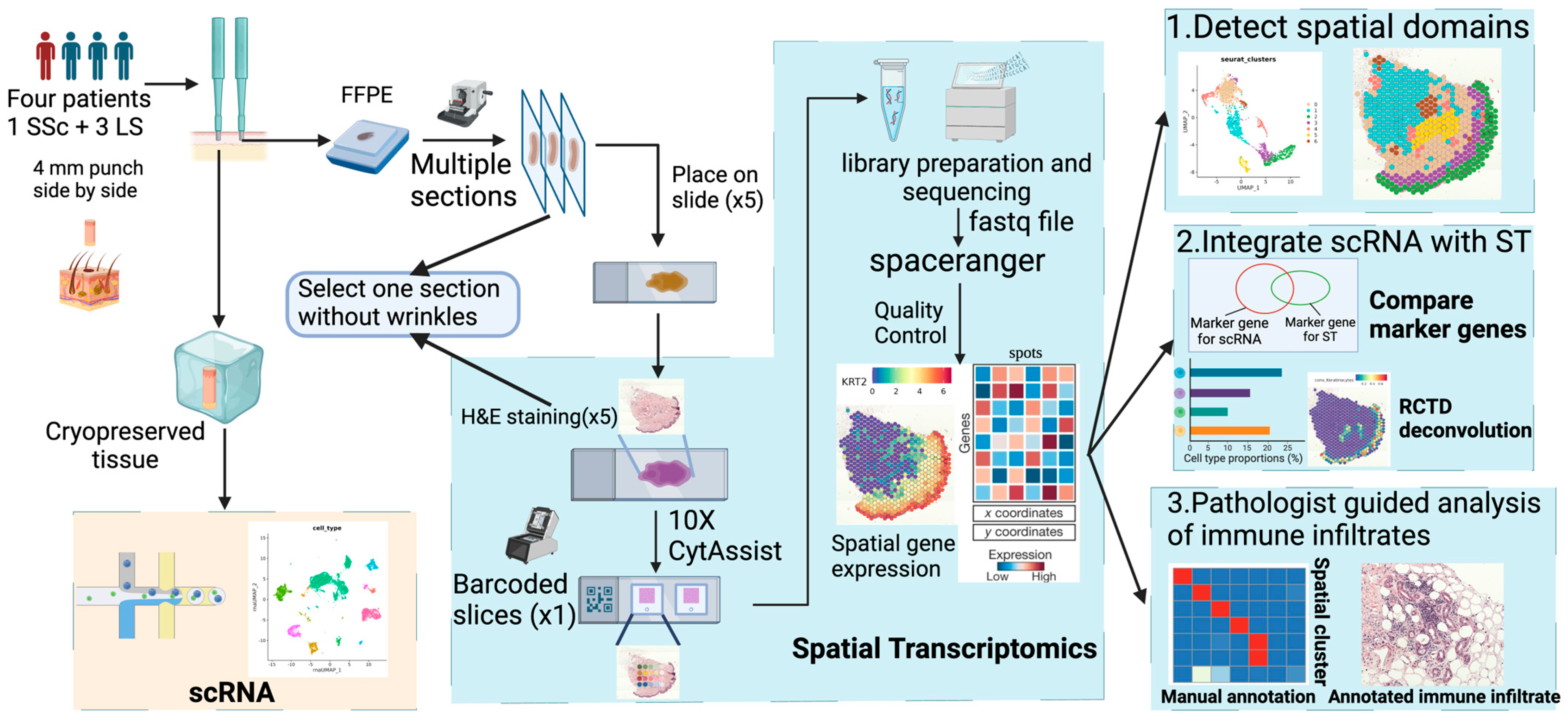
Spatial transcriptomics data from clinical trials can lead to a wealth of new biomarkers. The next step? Translate those spatial transcriptomic findings through multiplex immunofluorescence (IF).
Celiac disease is a classic example of an autoimmune disease involving a food trigger as well as a genetic component. In celiac disease, the body launches an immune response in the gut to a protein found in wheat gluten.
Transcriptomics Of Autoimmune Diseases Identifies Fgfr1 As A Target For
Autoimmune diseases, like type 1 diabetes and multiple sclerosis, are notoriously difficult to treat. Today, most of the therapies we've developed act indiscriminately, targeting both the healthy and unhealthy immune cells.
monitor and predict the spread of diseases.
Transcriptomics Of Autoimmune Diseases Identifies Fgfr1 As A Target For
As we can see from the illustration, Transcriptomics Of Autoimmune Diseases Identifies Fgfr1 As A Target For has many fascinating aspects to explore.
Transcriptomics of autoimmune diseases identifies FGFR1 as a target for pancreatic -cell protection.
Transcriptomics of autoimmune diseases identifies FGFR1 as a target for pancreatic -cell protection.
Transcriptomics Of Autoimmune Diseases Identifies Fgfr1 As A Target For
As an immune-related tumor type, bladder cancer has been attracting much attention in the study of its markers.HuangZYanYWangTWangZCaiJCaoXet al. Identification of ENO1 as a prognostic biomarker and molecular target among ENOs in bladder cancer. J Transl Med.