Learn how trademark valuation works, key valuation methods, legal implications, and what factors determine a trademarks worth in business, litigation, and M&A.
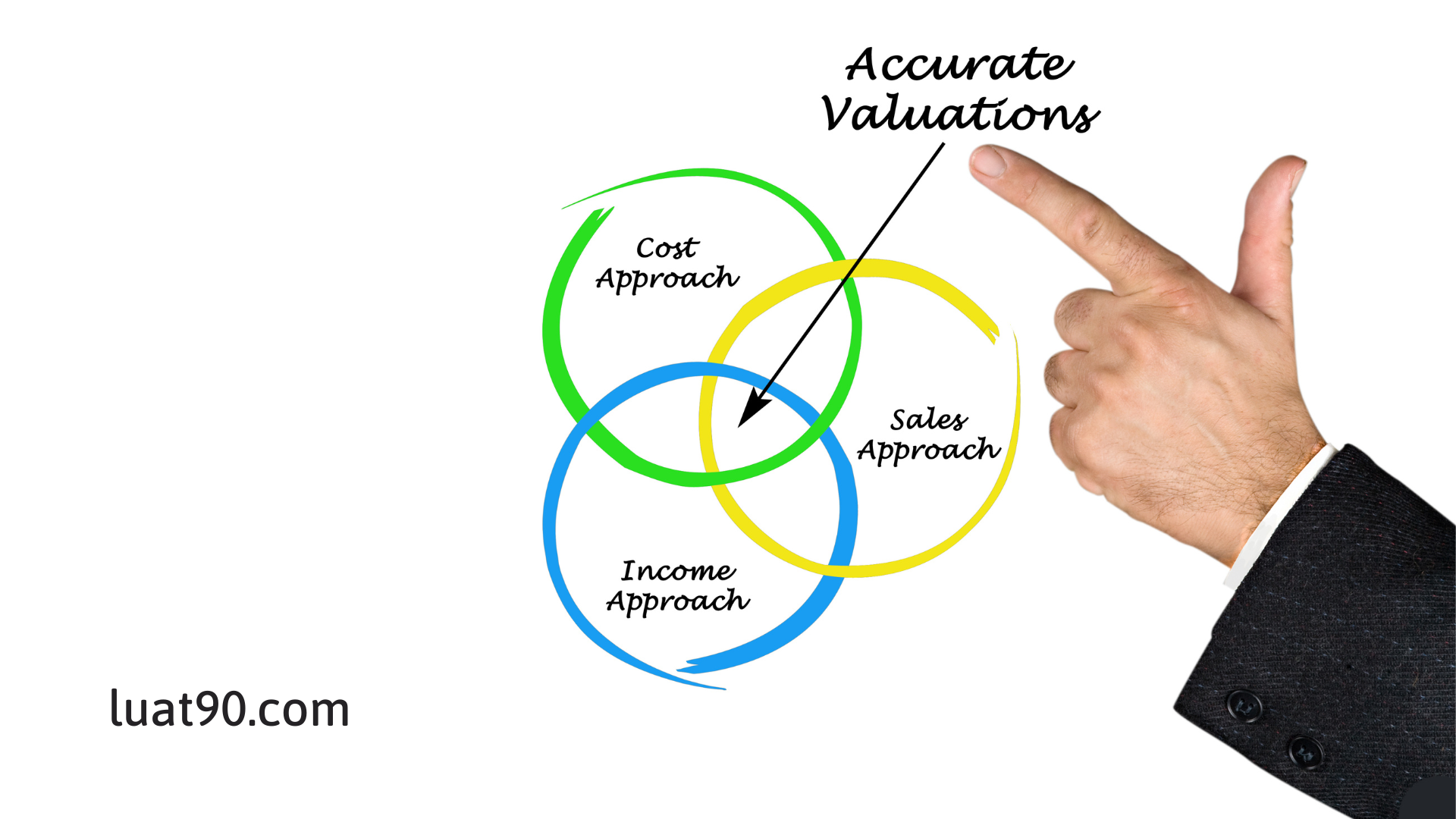
Trademark valuation methods are many and here are 4 of the most common best practices: 1. Market Multiples Approach. This mainly uses the study of companies in a similar industry to comparable business models with a similar size.
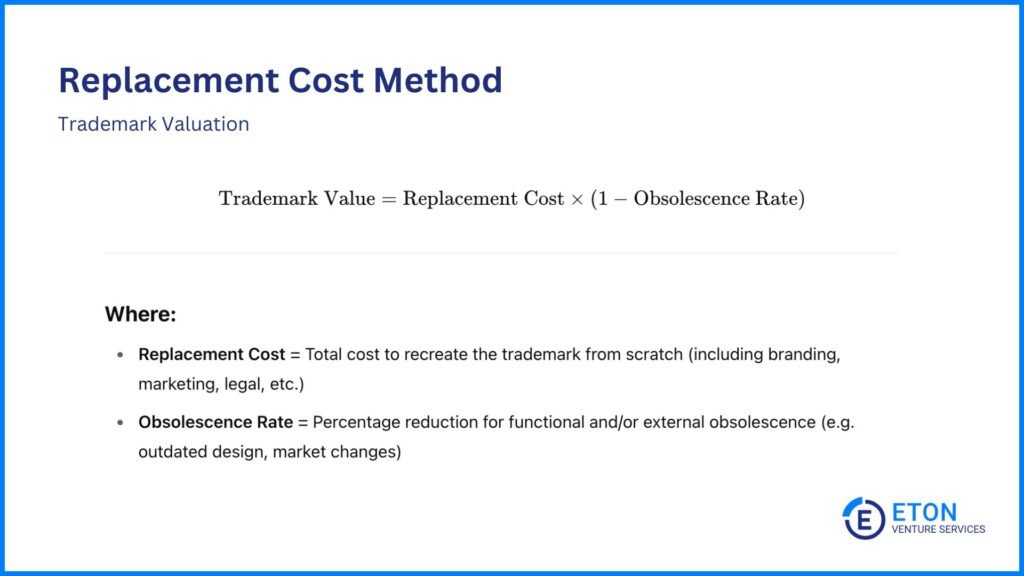
The cost approach to trademark valuation attempts to value trademarks by calculating the cost it would require to recreate them. Calculating costs, however, does not necessarily account for value added or lost, making this a particular methodology.

As we can see from the illustration, Trademark Valuation Methodology For Trademarks has many fascinating aspects to explore.
Generally, a trademark is valued mostly on the strength of its earning power. In the absence of income history, imagination, common sense and experience are usually the best guides in determining a trademarks valuation.
In Sweden, trademark valuations can be done by following a specific international standard (a so called ISO Standard), namely ISO 10668:2010 Brand valuation Requirements for monetary brand valuation. In this ISO Standard, three different variants for determining the value of a...

As we can see from the illustration, Trademark Valuation Methodology For Trademarks has many fascinating aspects to explore.
Trademark value assessment is a systematic evaluation of a brand's worth, capturing both tangible and intangible benefits. Factors such as market recognition, brand loyalty, and distinctiveness significantly influence this value. Various methodologies for valuation include the cost...
This approach is the most common in trademark valuations. Using this method calculates the present-day value of potential future earnings from the use of the trademark.

Furthermore, visual representations like the one above help us fully grasp the concept of Trademark Valuation Methodology For Trademarks.
Reasons for Trademark Valuation. Trademarks are typically valued for three primary purposes: 1. Transactional Purposes (Excluding Taxation Matters).