Learn how to choose the right frame rate for your content, understand FPS impact on streaming quality, and discover how Teyuto optimizes your stream for the best viewer experience.
Reduce your resolution, frame rate, and bitrate to reduce the load on your computer and internet connection. You can also consider using a faster computer or a gaming console, which are typically more powerful and better equipped to handle live streaming.
Master stream optimization with expert tips for better video quality, lower latency, and improved performance. Essential guide for streamers.

This time, we explained how to adjust the FPS (frame rate) settings in OBS to deliver smooth and high-quality streaming. You can provide a comfortable viewing experience to your audience with appropriate FPS settings.
To optimize your video output settings in OBS for better FPS, start by adjusting your resolution and frame rate. Lowering your resolution to 720p can significantly reduce the strain on your system, leading to a smoother streaming experience.

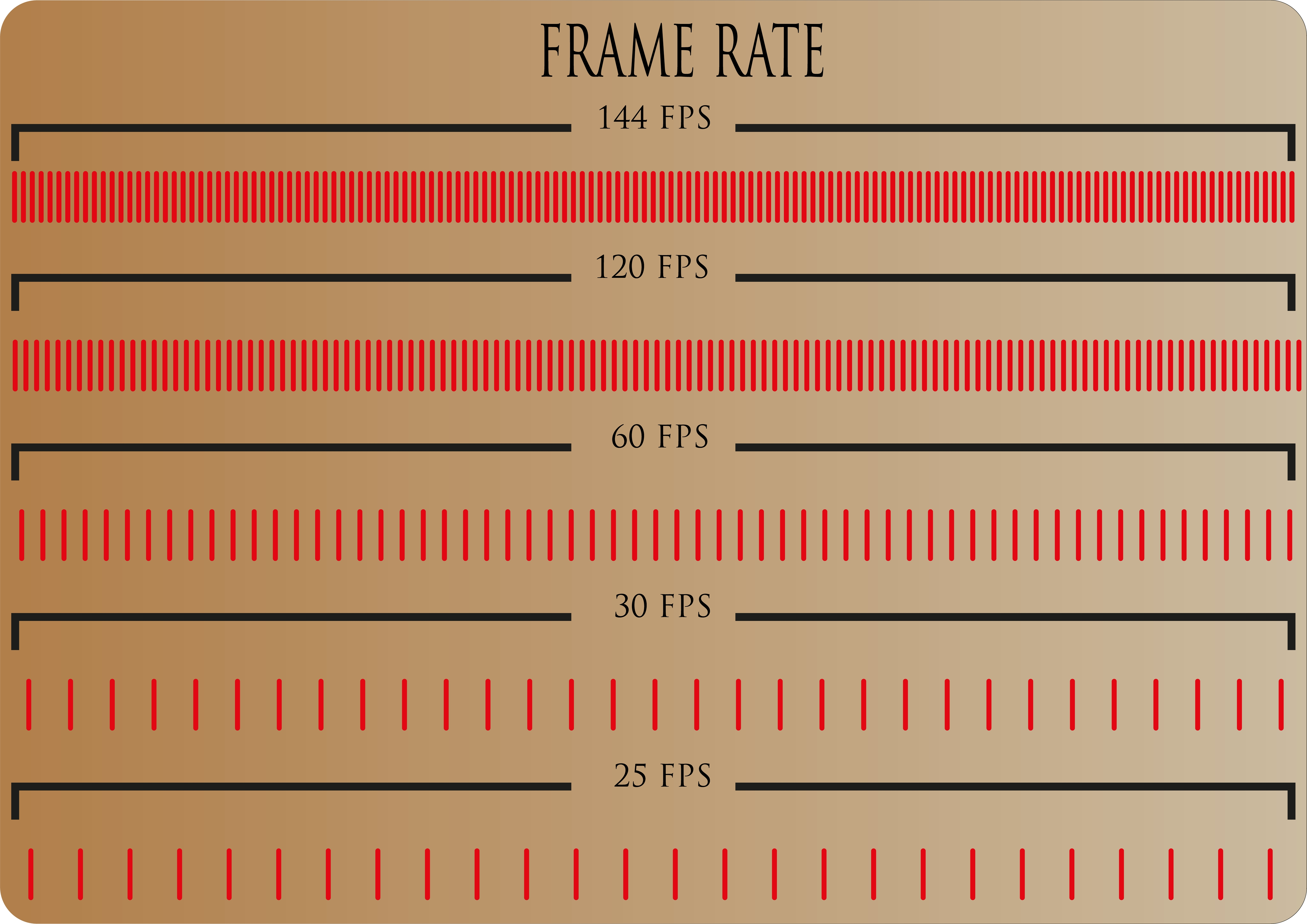
As we can see from the illustration, Optimize Your Frame Rate For A Smooth Stream has many fascinating aspects to explore.
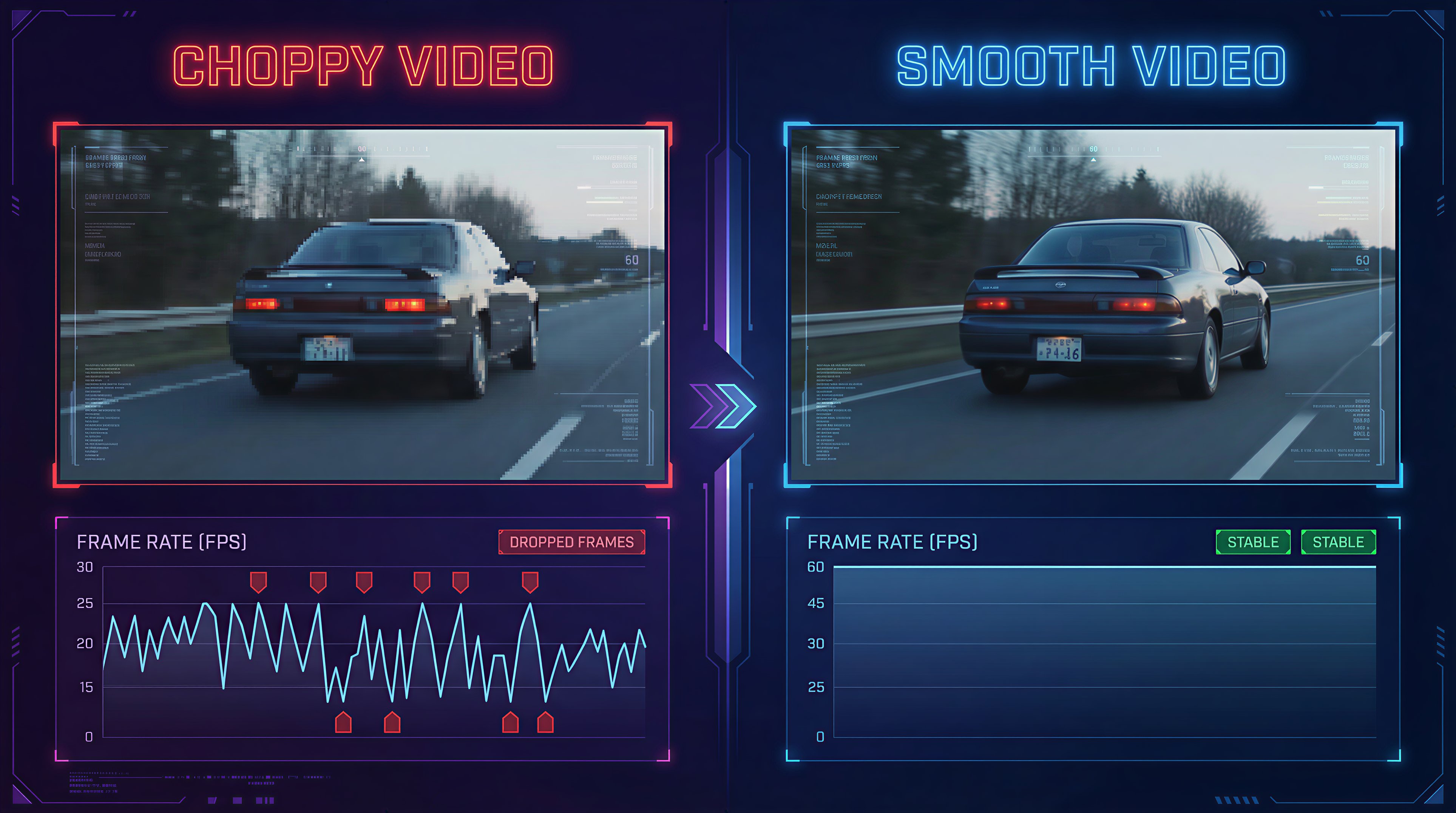
im for a frame rate that feels smooth but stays consistent. A steady 60 FPS will feel better than a higher frame rate that constantly fluctuatesand capping it helps prevent your system from overworking itself while streaming.
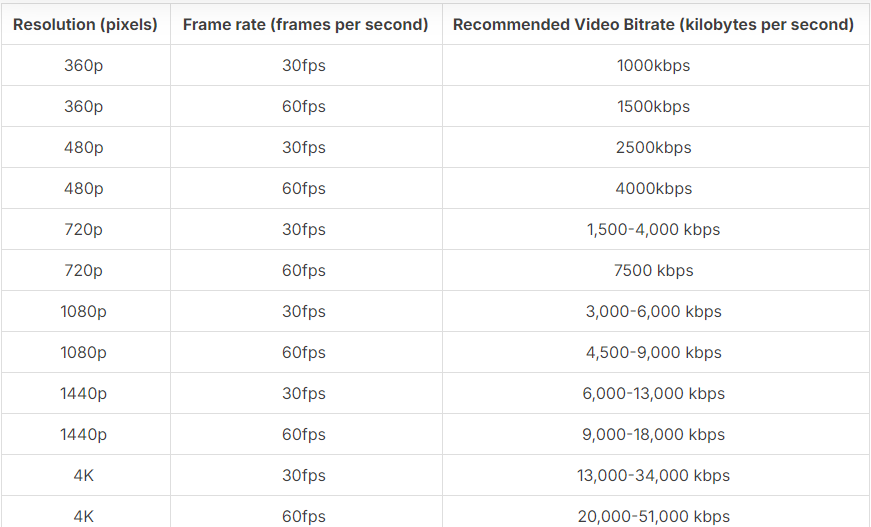
How to Fix Frames Getting Missed Due to Rendering Lag? Downscale your Stream Output Resolution. Enable Hardware Encoding in OBS. Hide Extra Gaming Scenes. Optimize Framerate (FPS) and Bitrate of Streams. Enable Network Optimization.
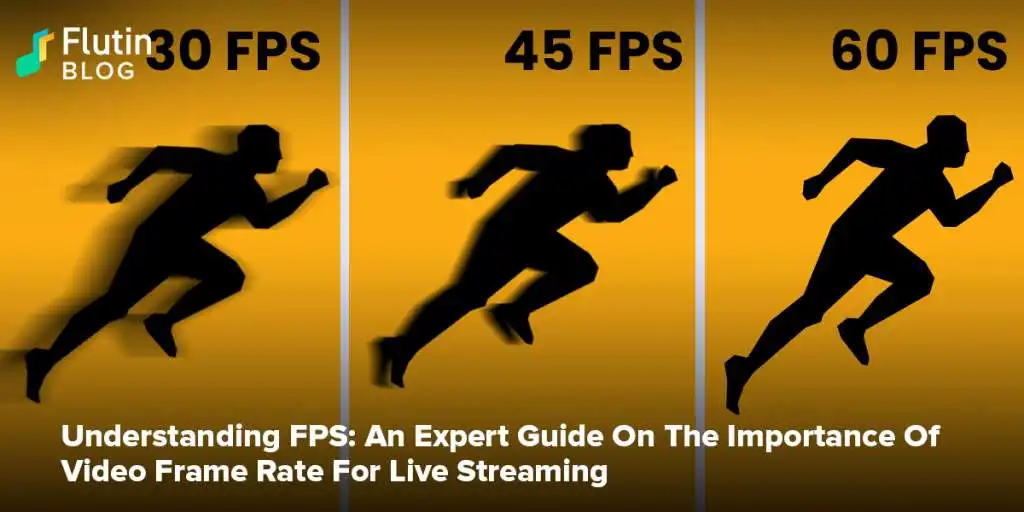
The recommended frame rate for screen recording is typically 30 frames per second (fps), providing a smooth playback experience for most applications. However, for fast-paced or highly detailed content, such as gaming or animation, a higher frame rate like 60 fps may be preferred.



.jpg "Learn Frame Rate and How to Optimize It in Video and Games")