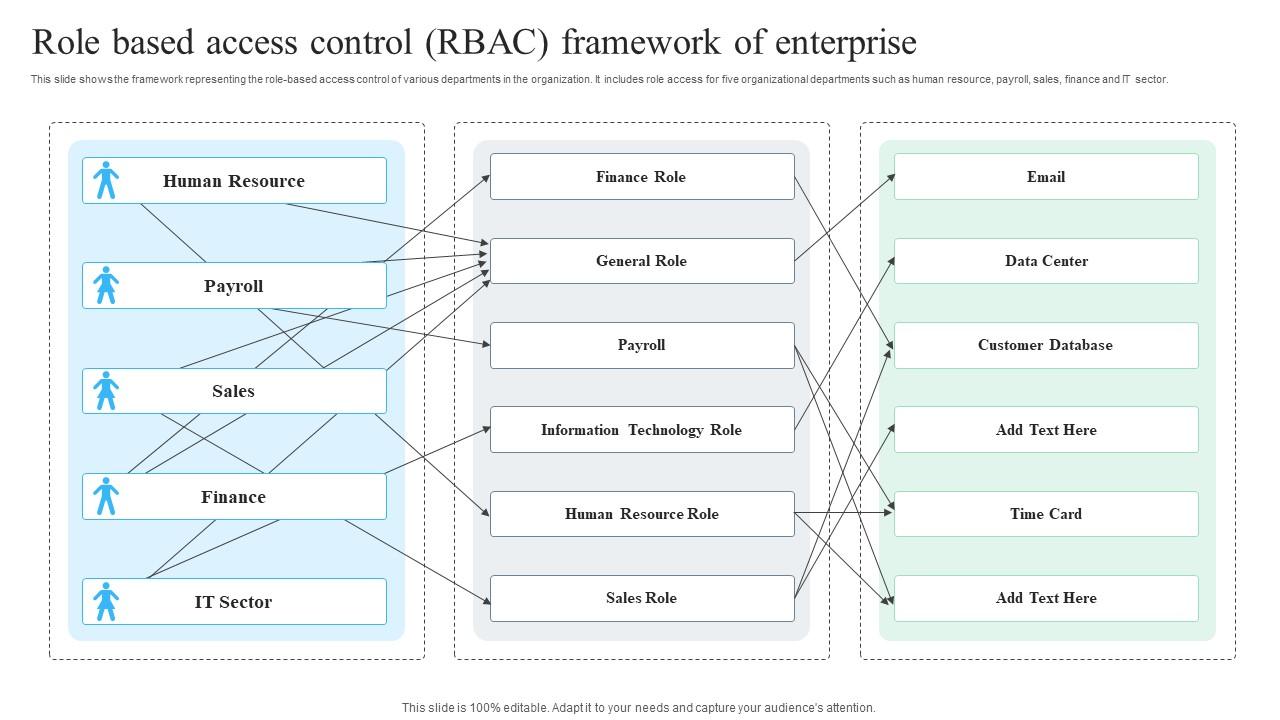
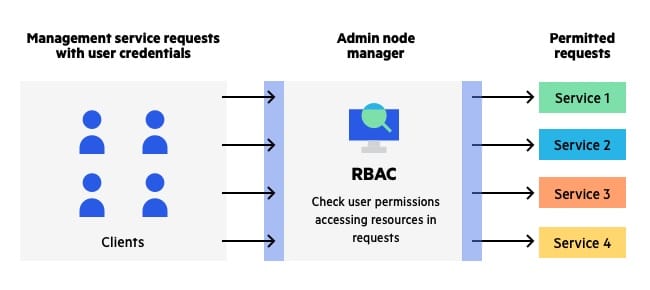
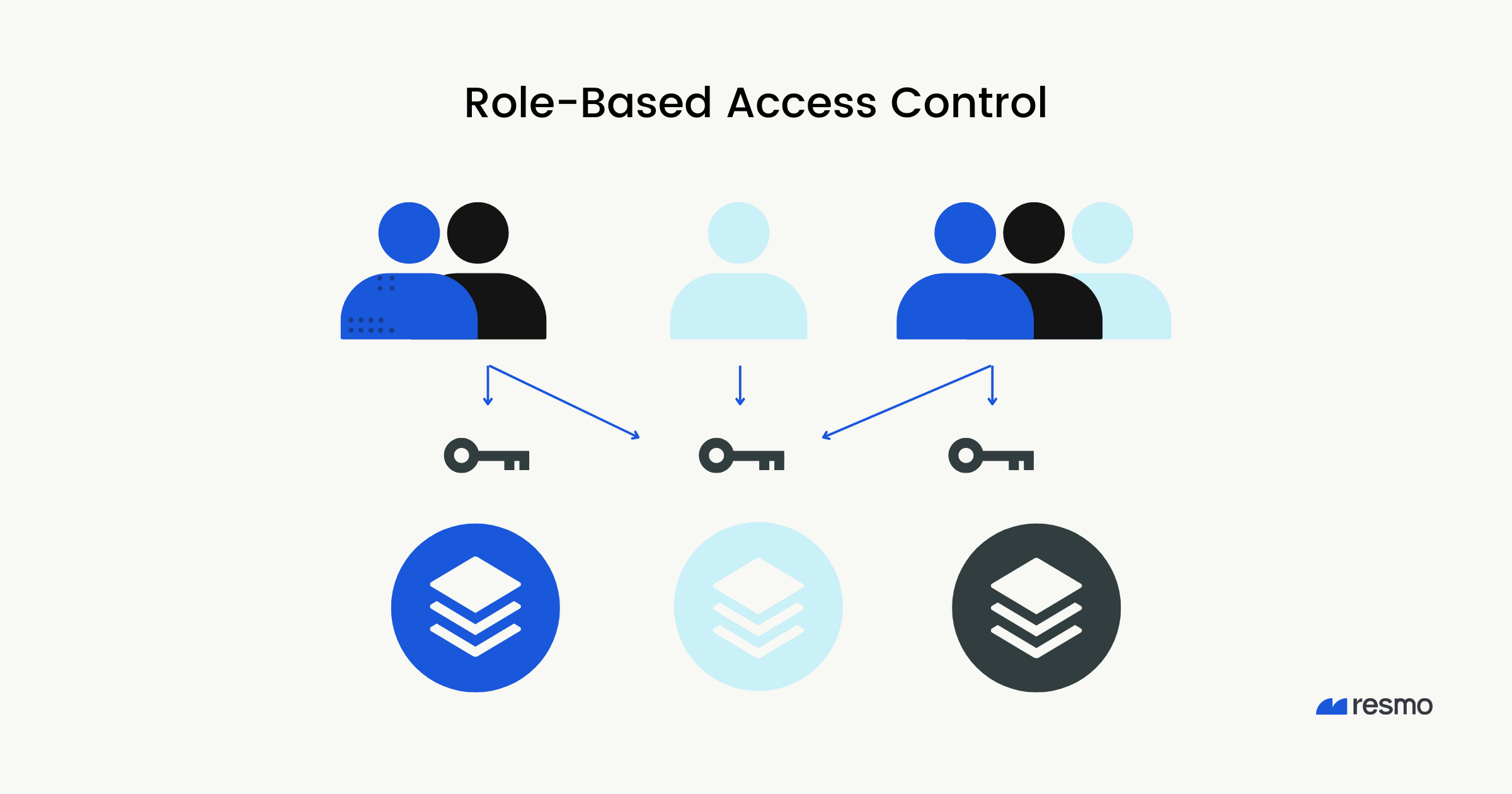
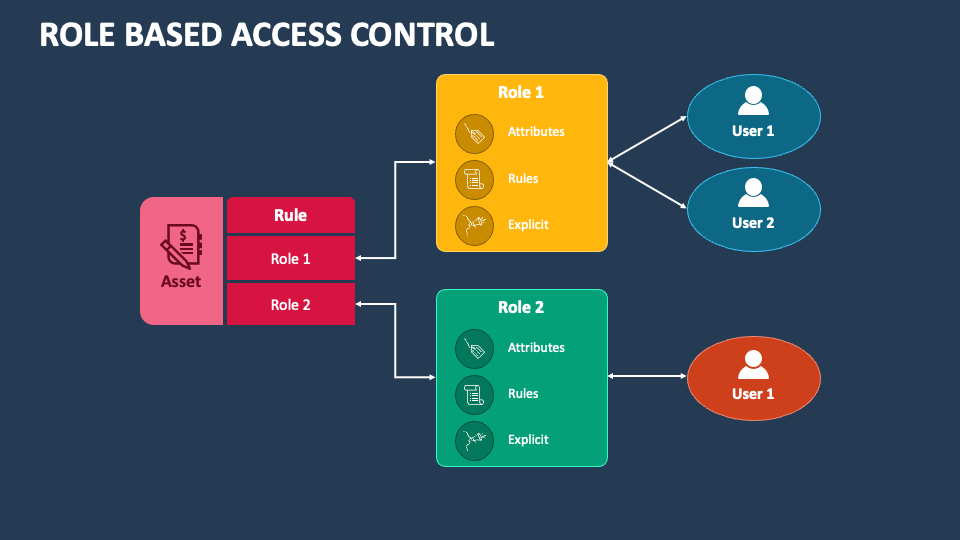
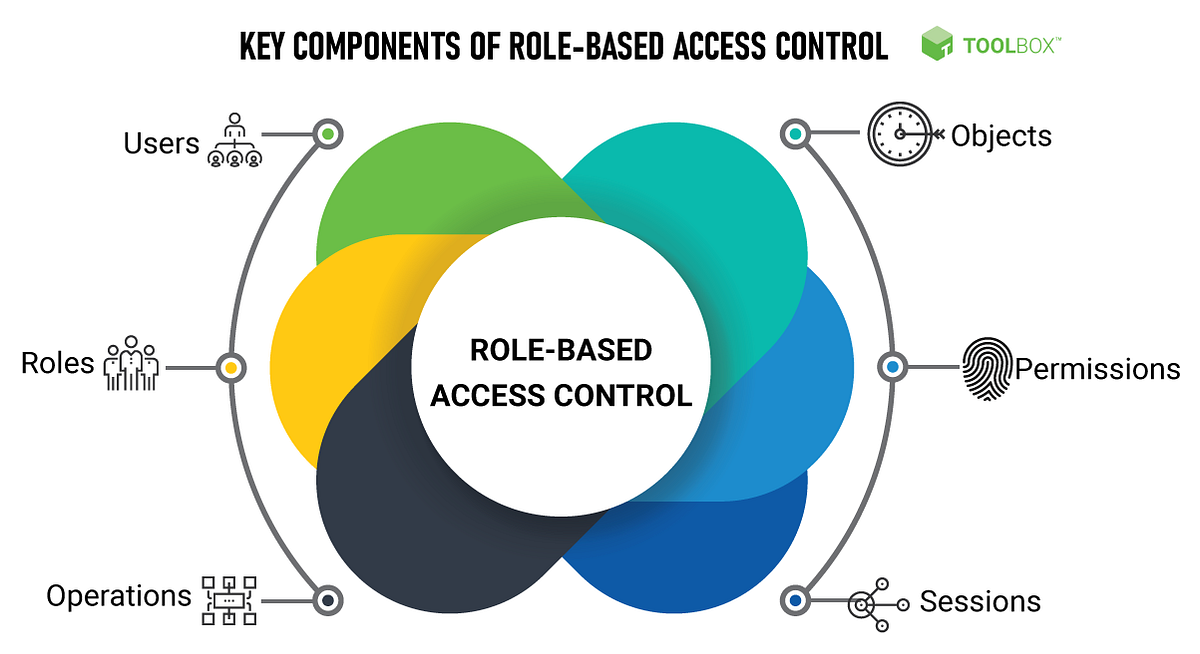
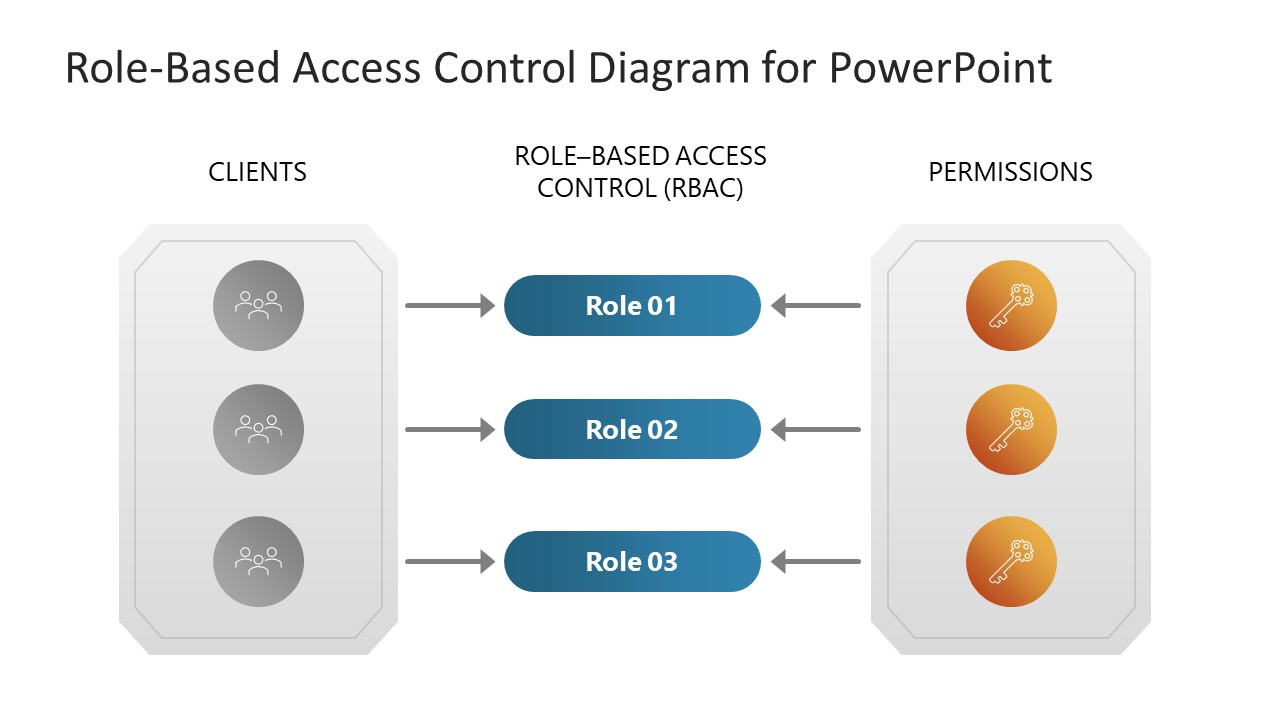
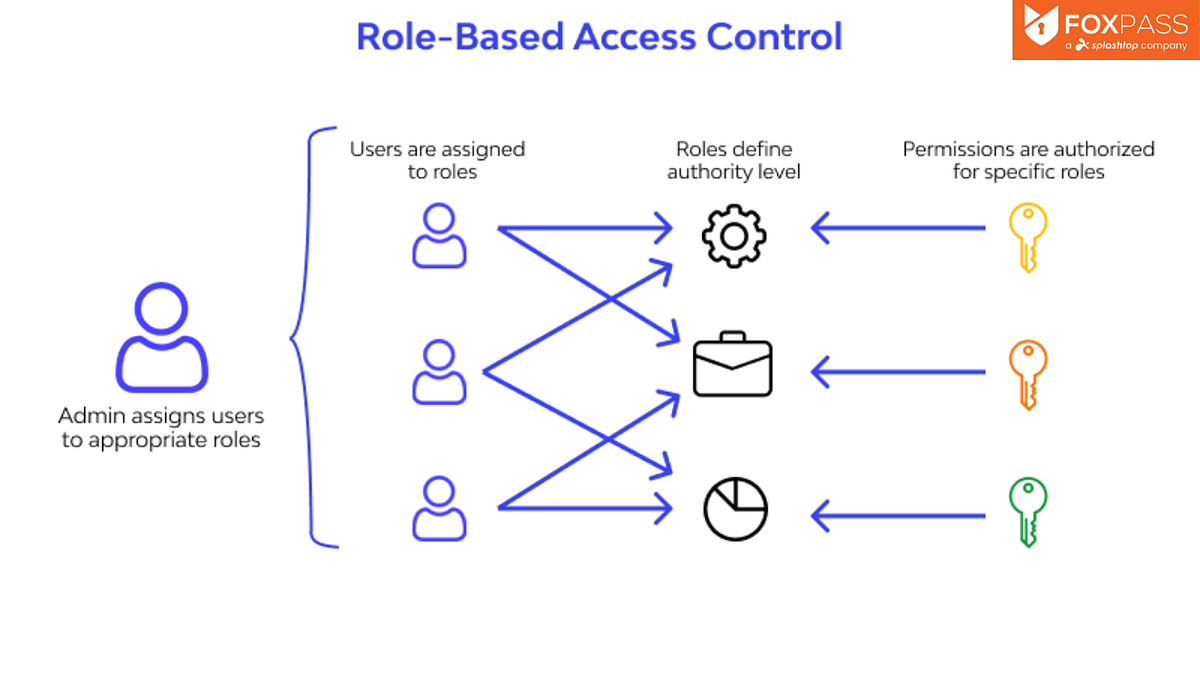
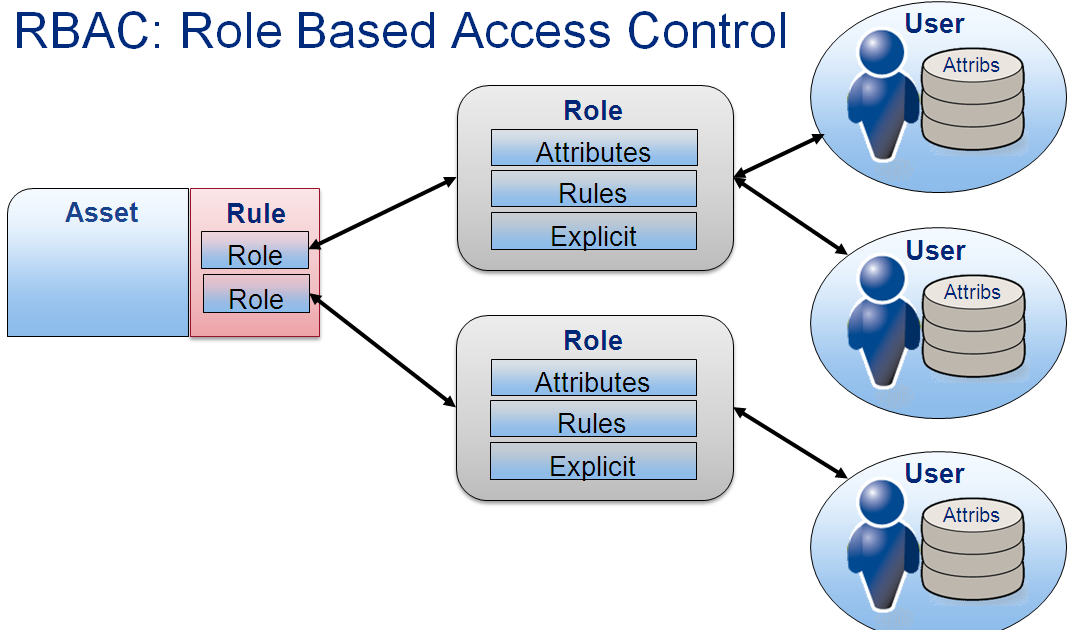
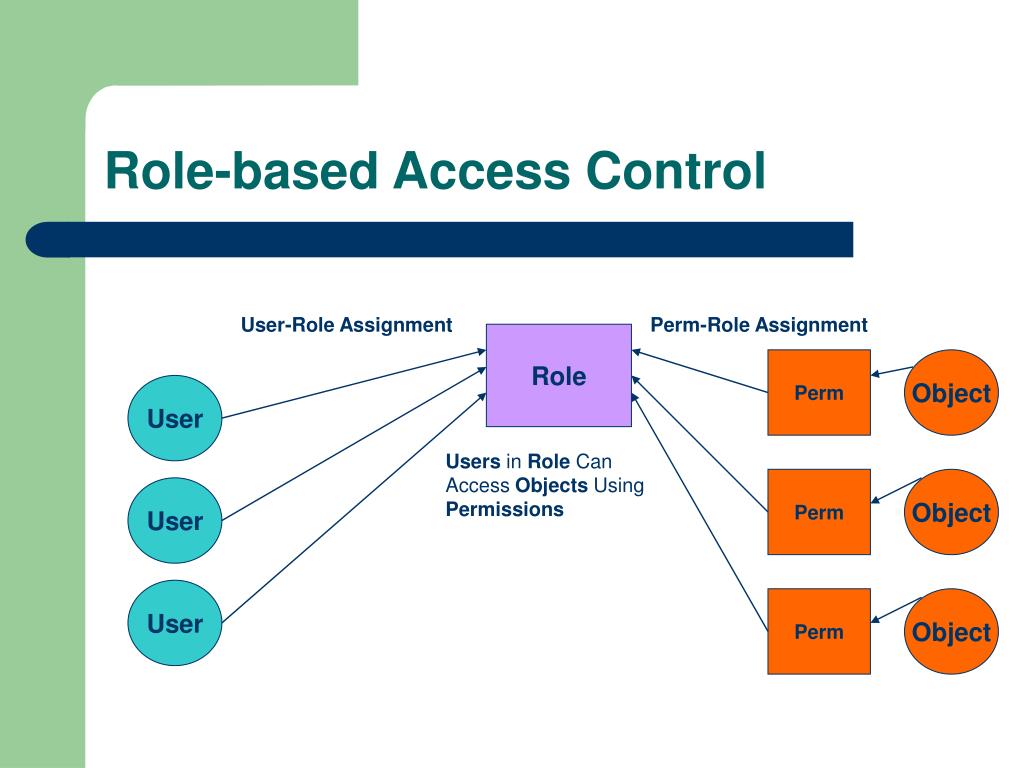
Role-based access control is a policy-neutral access control mechanism defined around roles and privileges. The components of RBAC such as role-permissions, user-role and role-role relationships make it simple to perform user assignments.
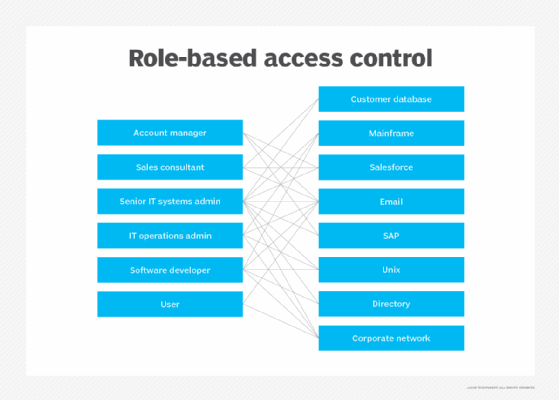
Role-based access control (RBAC) leverages defined roles and privileges to restrict systems access to authorized users.In a role-based access environment, a user's role within the organization determines the specific network permissions they're granted.
Learn how role-based access control, or RBAC, works. Compare RBAC vs. ABAC and learn about the differences between user roles and user permissions.
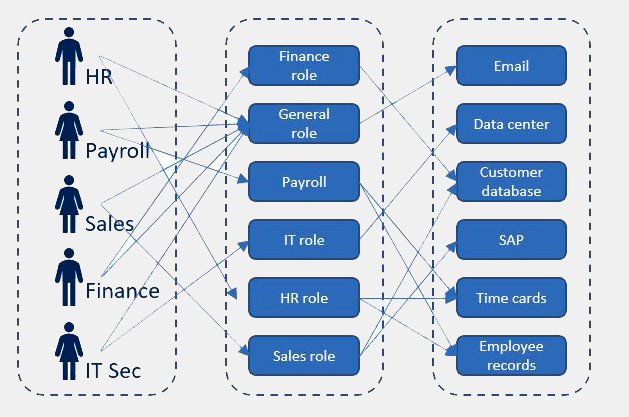
Such details provide a deeper understanding and appreciation for Network Role-Based Access Model.
Get the threat intelligence guide https://ibm.biz/BdmwNZLearn about the technology https://ibm.biz/BdmwNYExploring the realms of access control, authenti...
Role-based access control (RBAC) is a method of restricting network access based on the roles of individual users within an enterprise. Organizations use RBAC -- also called role-based security -- to parse levels of access based on an employee's roles and responsibilities.

Role-based access control (RBAC) is a model for authorizing end-user access to systems, applications and data based on a users predefined role.
One of the most challenging problems in managing large networks is the complexity of security administration. Role based access control (RBAC) (also called "role based security"), as formalized in 1992 by David Ferraiolo and Rick Kuhn, has become the predominant model for...

Moving forward, it's essential to keep these visual contexts in mind when discussing Network Role-Based Access Model.
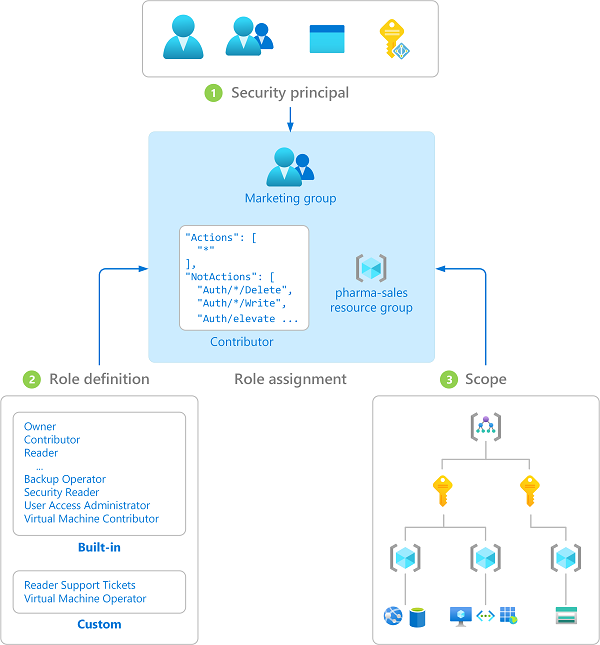
Role-based access model. In a nutshell, Adaxes lets you delegate permissions by assigning security roles to your users. A security role is simply a set of permissions that corresponds to a job function.
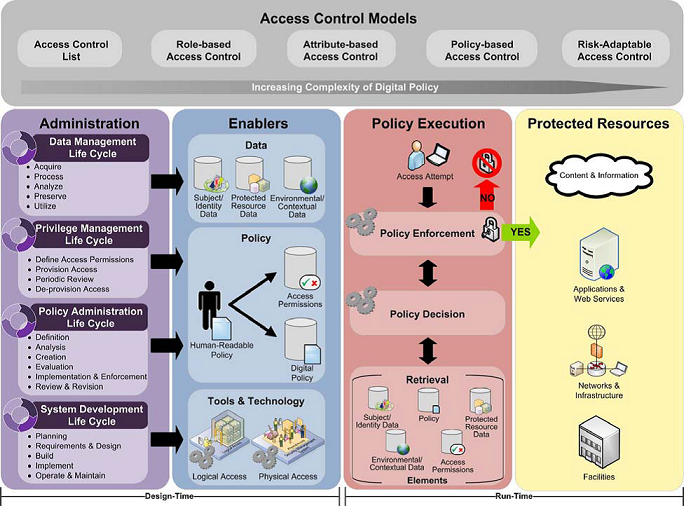
Discover the essentials of Role-based Access Control (RBAC) and explore robust strategies to manage access with ease and enhance security.