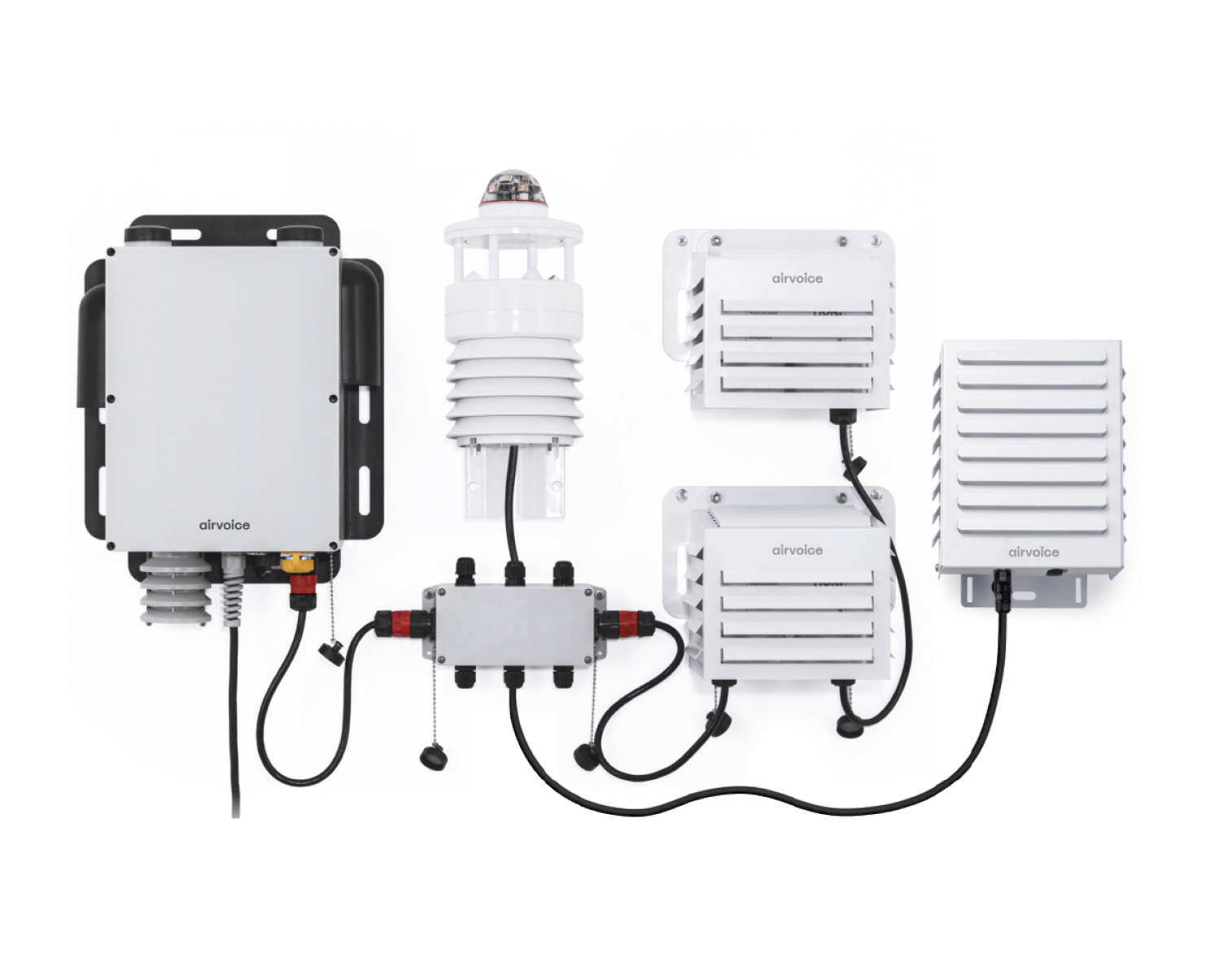
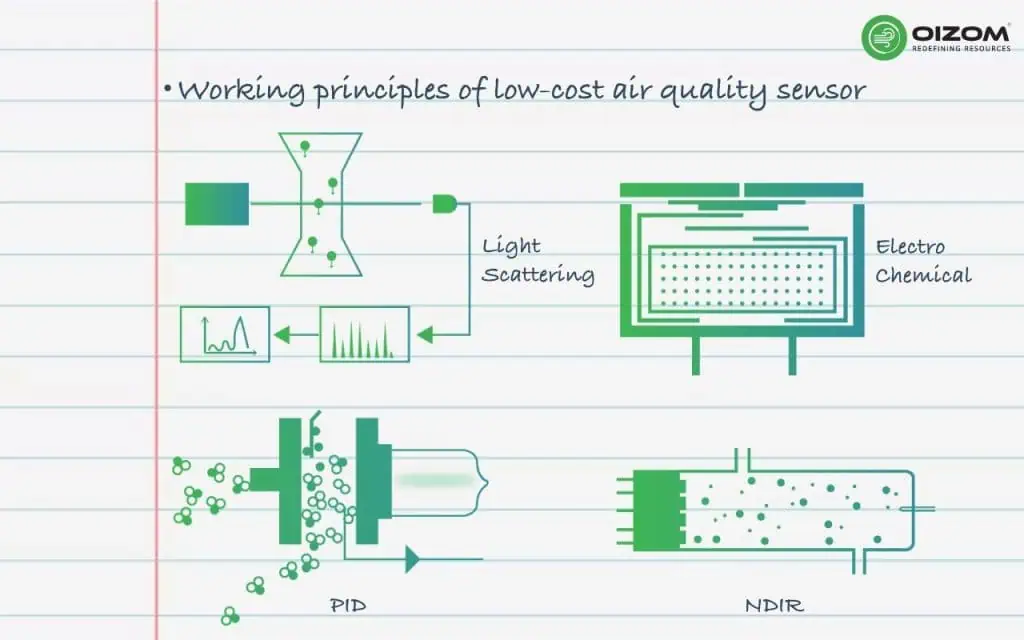
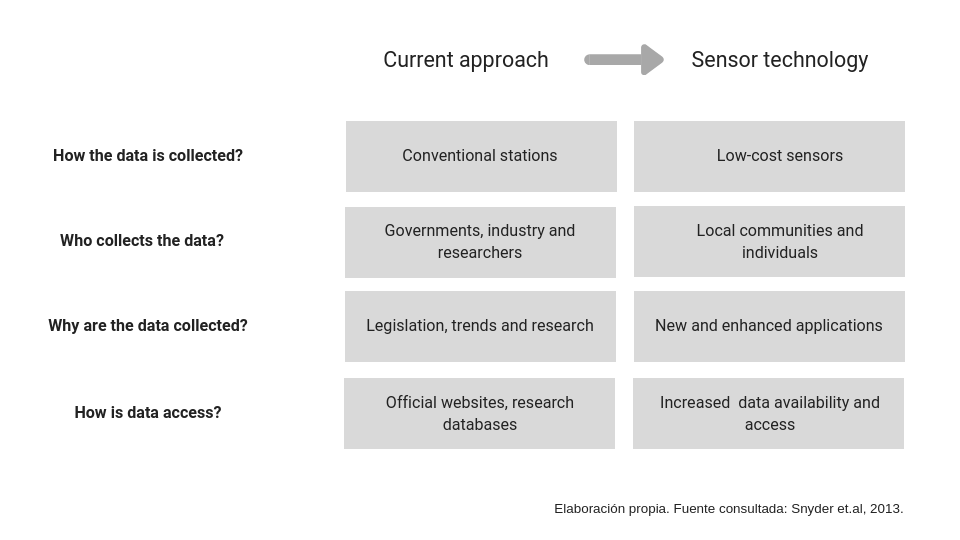
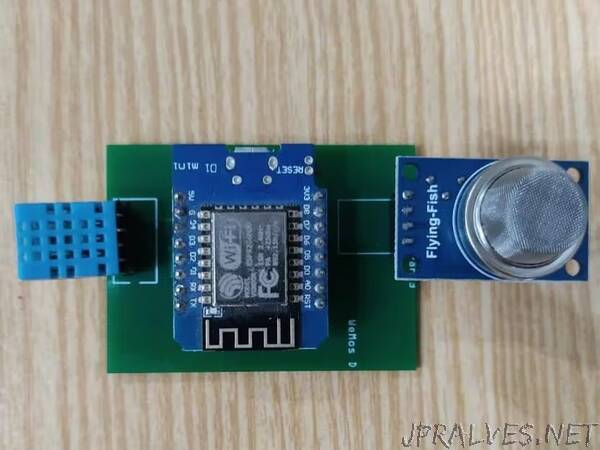
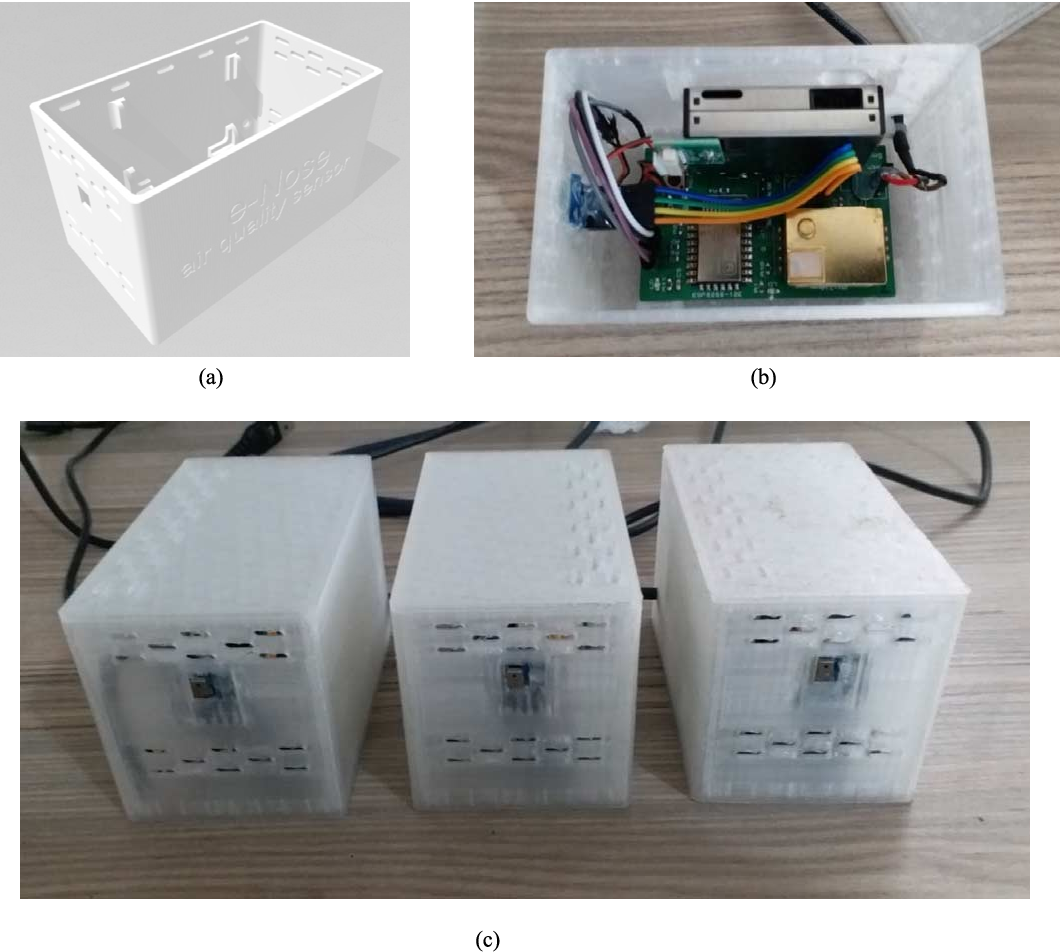
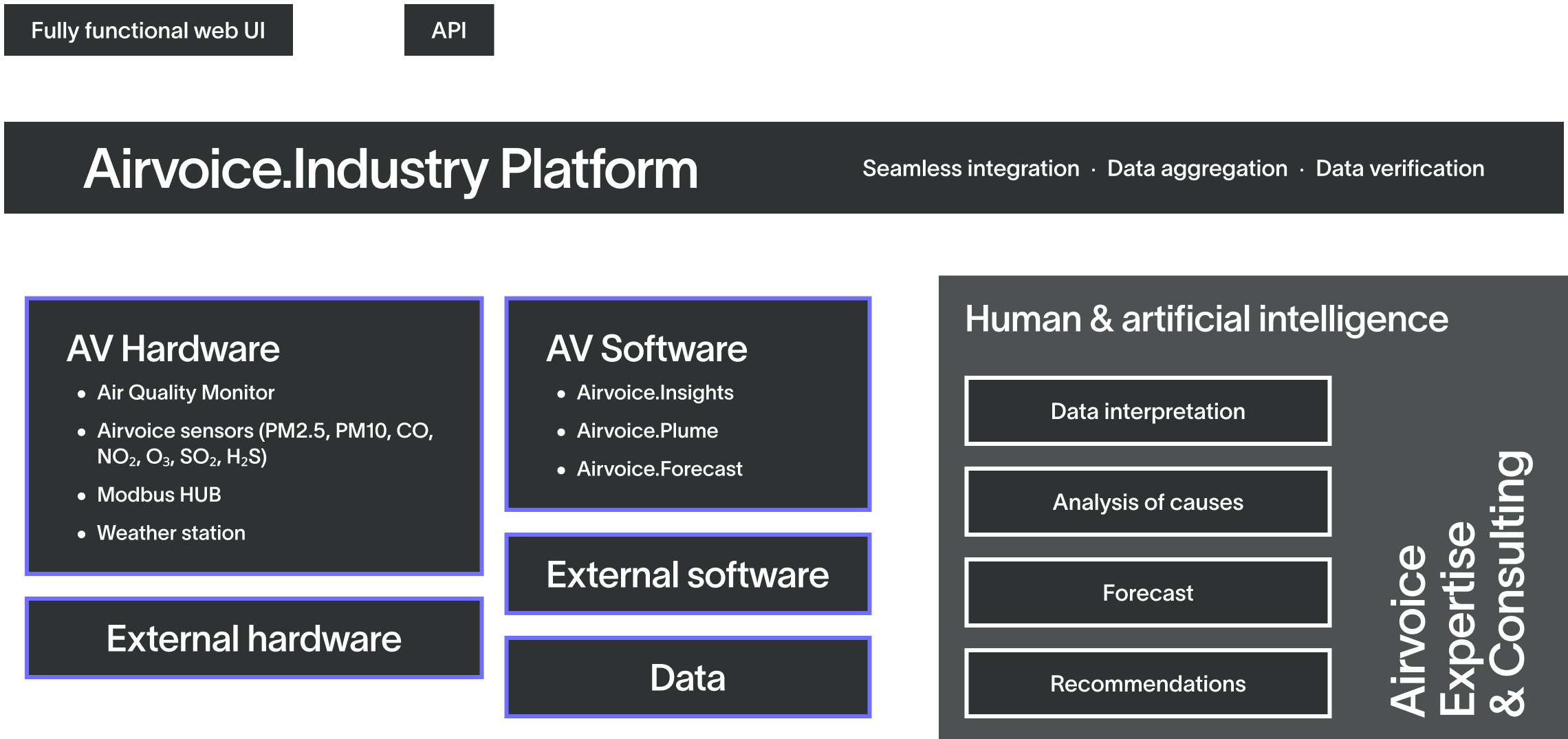
Low-cost air quality platforms use miniature sensors and smart software to track pollutants without the high expense of regulatory monitors. Modern systems combine optical PM sensors, gas sensors, and wireless data connectivity, often with machine-learning calibration.
Explore how low-cost air quality sensors enable comprehensive monitoring strategies for cities, researchers, and policymakers.
We tested 25 indoor air quality monitors and picked the 9 best to help you detect pollutants and breathe cleaner air at home.
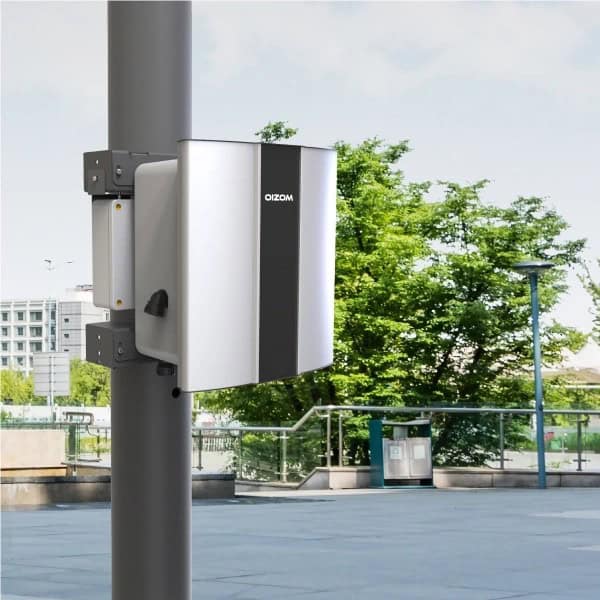
The purpose of this guidance is to help inform and increase consumer understanding on the use of low-cost air pollution monitors indoors, their potential benefits and limitations, and how to apply the data they provide towards improving indoor air quality. A low-cost air pollution monitor is a device that uses one or more than one sensor and other components to detect, monitor and report on ...
Executive Summary Despite challenges, low-cost sensors (LCS) represent a key tool for filling gaps in existing global and local air quality monitoring networks and contributing information for policy-relevant air quality products.
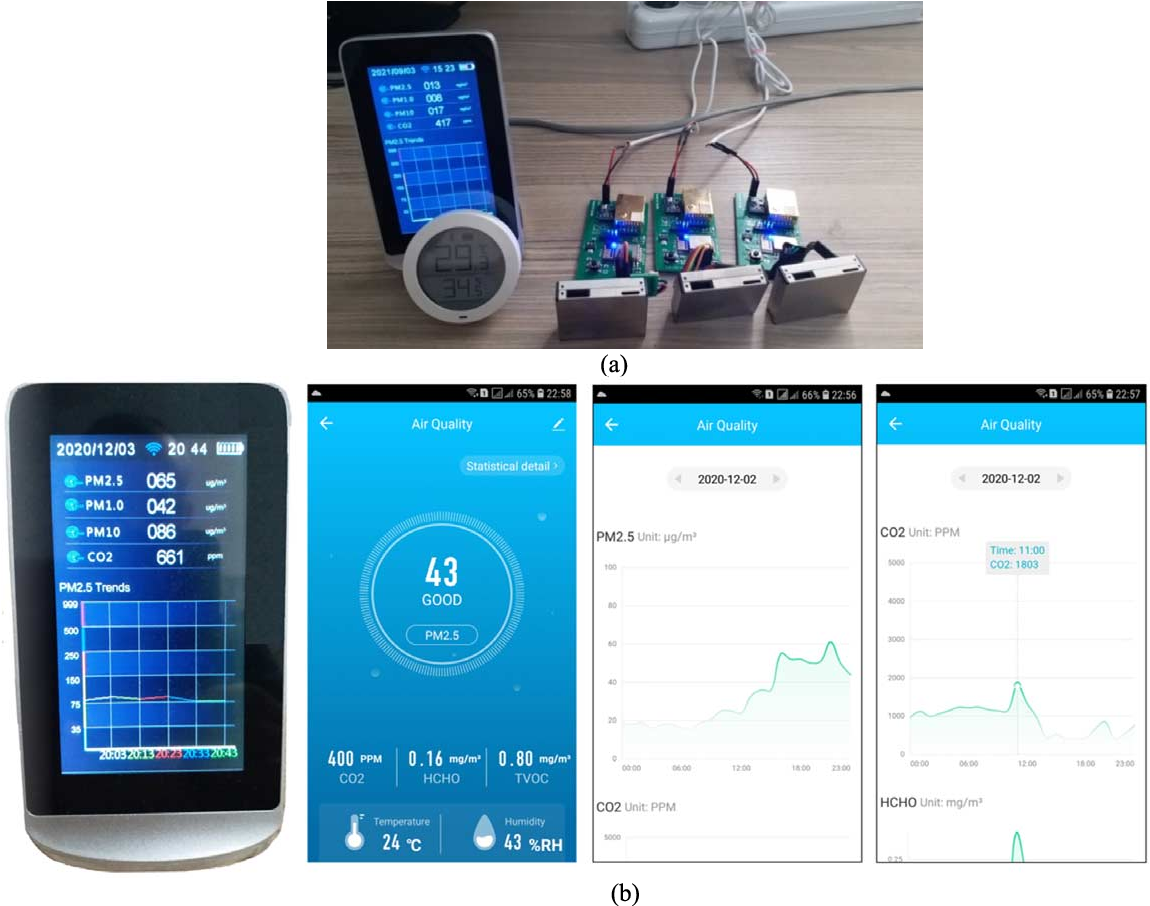
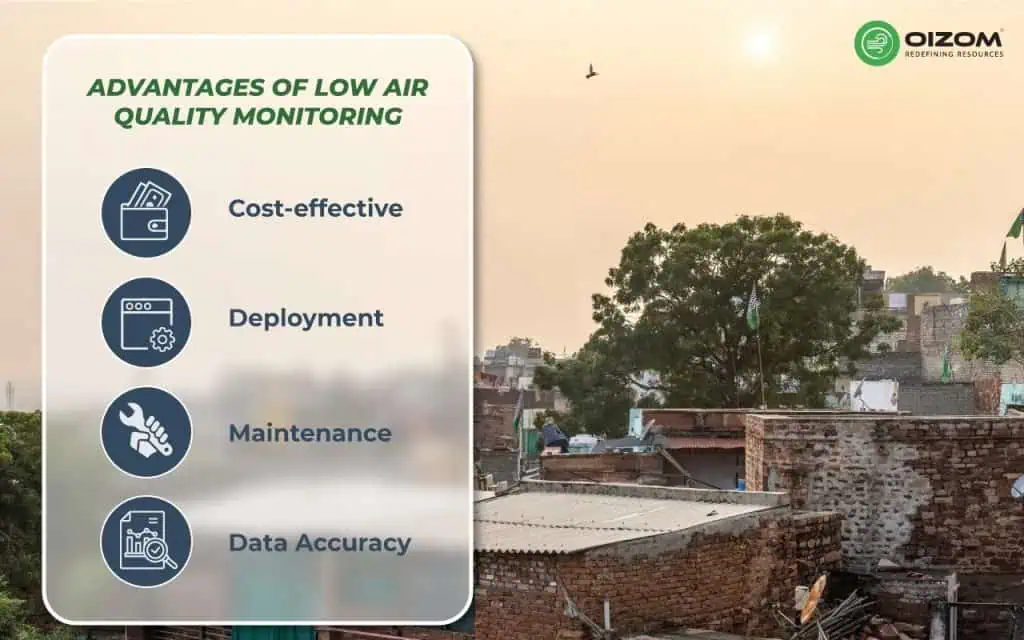
The deployment of network-scale LCS technology is a transformative approach to improving air quality and public health in low-income communities. These communities often suffer from high pollution exposure but lack the resources for traditional monitoring.
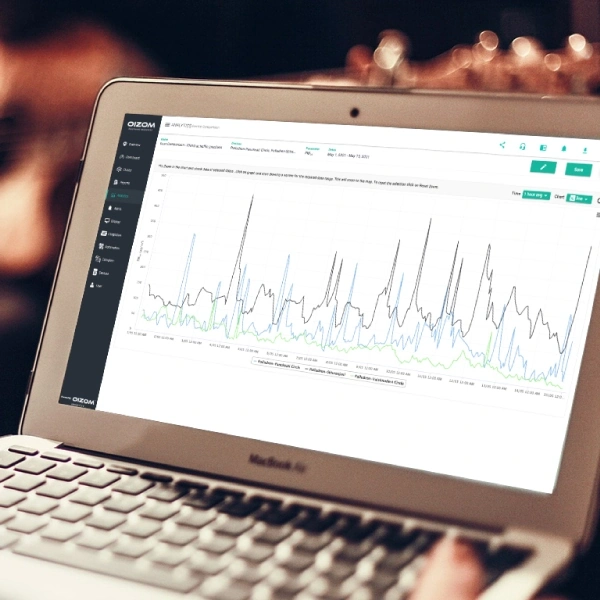
Resilient solar-powered air monitoring equipment, a full stack of cloud-based software, and expert air quality support combined into one seamless solution for air quality measurement.
The rapidly-expanding lower-cost air quality sensor market presents valuable opportunities for new urban air quality work. But city staff have to navigate many options around sensor selection, network installation and data management.