Crohn's disease is a type of inflammatory bowel disease (IBD) that causes swelling and irritation of the tissues, called inflammation, in the digestive tract. This can lead to belly pain, severe diarrhea, fatigue, weight loss and malnutrition.
Learn about the symptoms, causes and treatment of this digestive system condition that can happen suddenly or build up over time and cause serious illness.
Gastroesophageal reflux disease happens when stomach acid flows back up into the esophagus and causes heartburn. It's often called GERD for short. This backwash is known as acid reflux, and it can irritate the lining of the esophagus. Many people experience acid reflux now and then. However, when ...

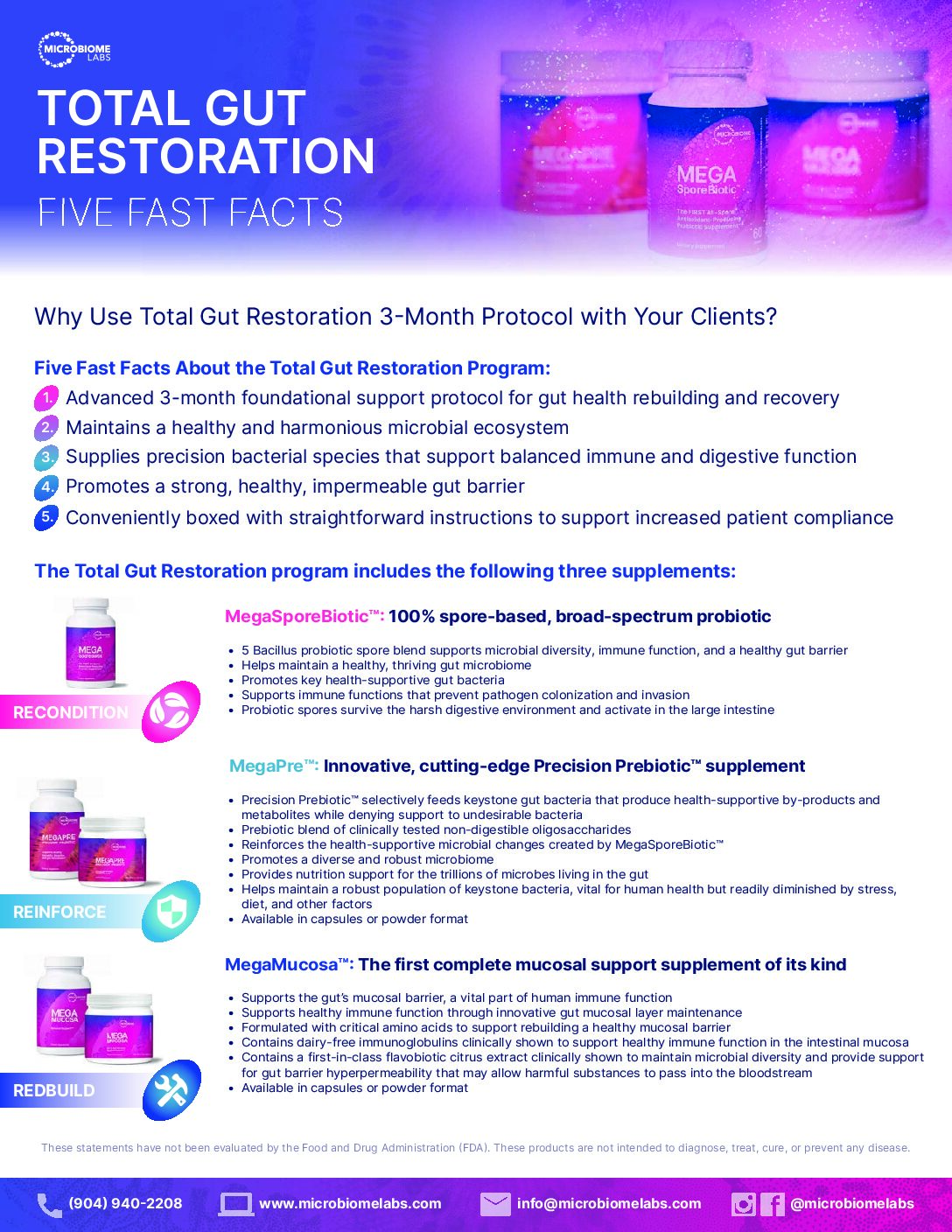
As we can see from the illustration, Digestive Health Dog Food For Gut Microbiome Restoration has many fascinating aspects to explore.
In this digestive condition, gluten in food damages the small intestine, making it hard to absorb nutrients and causing a variety of symptoms.
Gastroparesis is a condition in which the muscles in the stomach don't move food as they should for it to be digested. Most often, muscles contract to send food through the digestive tract. But with gastroparesis, the stomach's movement, called motility, slows or doesn't work at all. This keeps the stomach from emptying well.

Moving forward, it's essential to keep these visual contexts in mind when discussing Digestive Health Dog Food For Gut Microbiome Restoration.
The body needs cholesterol. But having too much cholesterol in the blood raises the risk of heart attacks and strokes. Statins block an enzyme the liver needs to make cholesterol. This causes the liver to remove cholesterol from the blood. While statins are effective and safe for most people, they have been linked to muscle pain, digestive problems, and mental fuzziness in some people. Rarely ...
Explore comprehensive guides on hundreds of common and rare diseases and conditions from the experts at Mayo Clinic.
Overview Irritable bowel syndrome (IBS) is a common condition that affects the stomach and intestines, also called the gastrointestinal tract. Symptoms include cramping, belly pain, bloating, gas, and diarrhea or constipation, or both. IBS is an ongoing condition that needs long-term management.