Inflammatory bowel disease in dogs can present with a variety of symptoms due to inflammation in the GI tract, including: Chronic Diarrhea: Frequent, often loose or watery stools. Vomiting: Persistent or intermittent vomiting, sometimes with bile.
What causes IBD/IBS in dogs & cats? What can you feed your pet with inflammatory bowel disease?Eliminating grains, especially for cats, can also be helpful. For dogs grains such as quinoa, millet or other lower gluten or gluten-free ancient grains may be tolerated.
Inflammatory bowel disease (IBD) in dogs, is a chronic condition that occurs when the lining of the gastrointestinal tract becomes inflamed. Common symptoms of IBD in dogs include diarrhea, vomiting, loss of appetite, nausea, and weight loss.

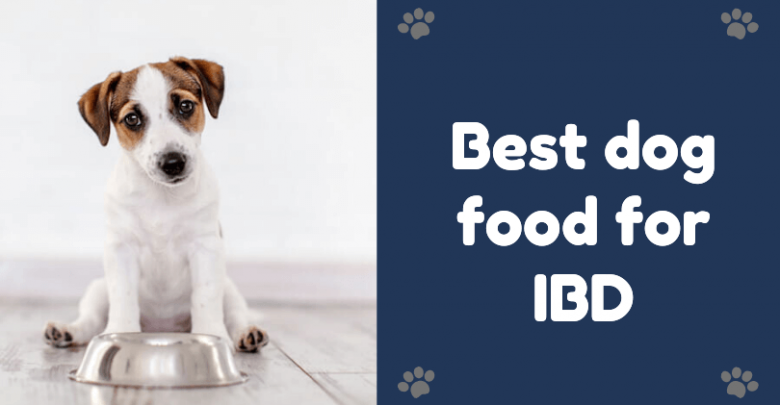
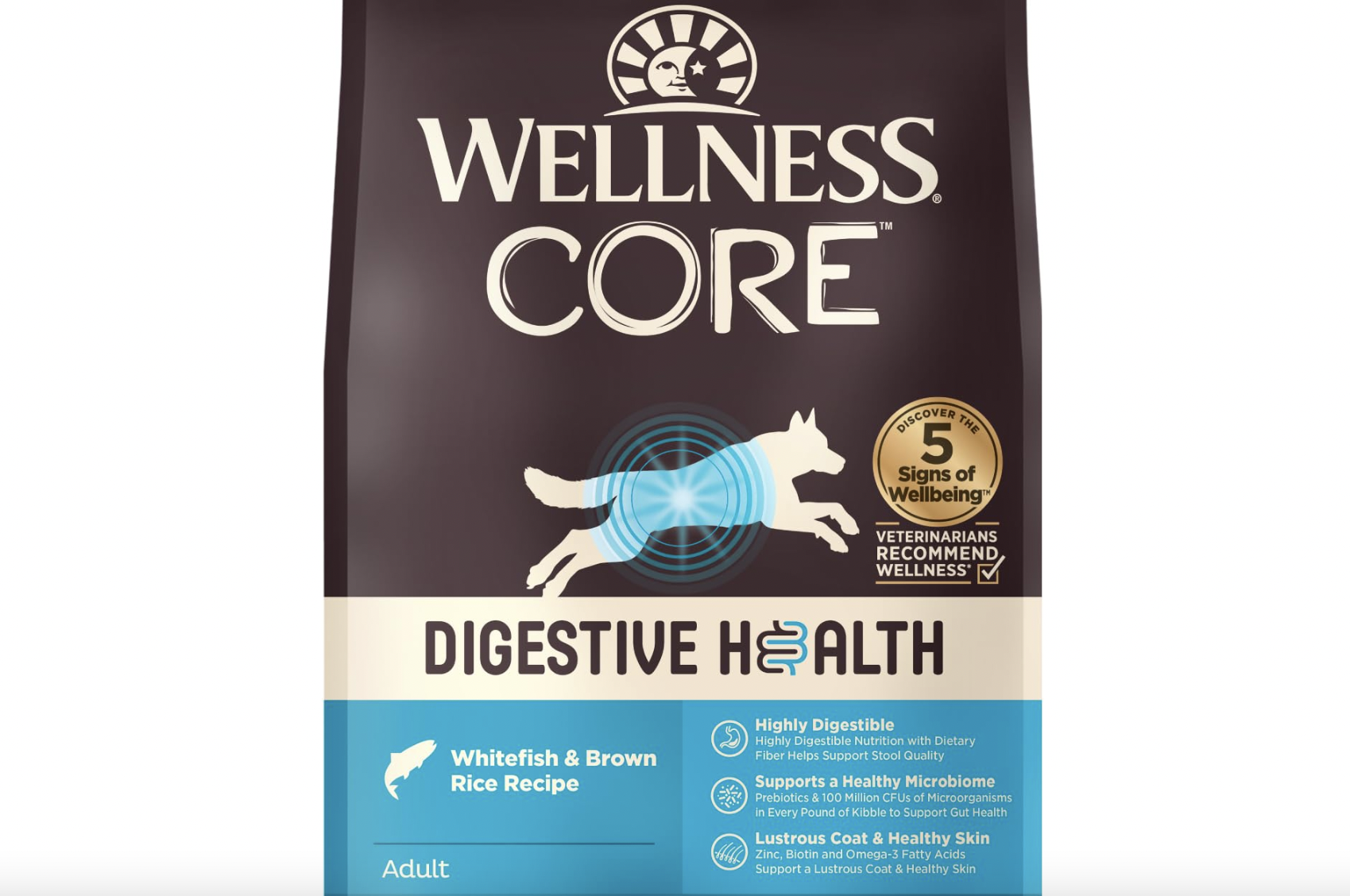
A small dog with IBD eats his food in front of a green couch. The best dog food for IBD and IBS will provide fiber and avoid irritating fillers and additives. Learn what to feed a dog with Inflammatory Bowel Disease in this guide. The Dog Tale is reader-supported.
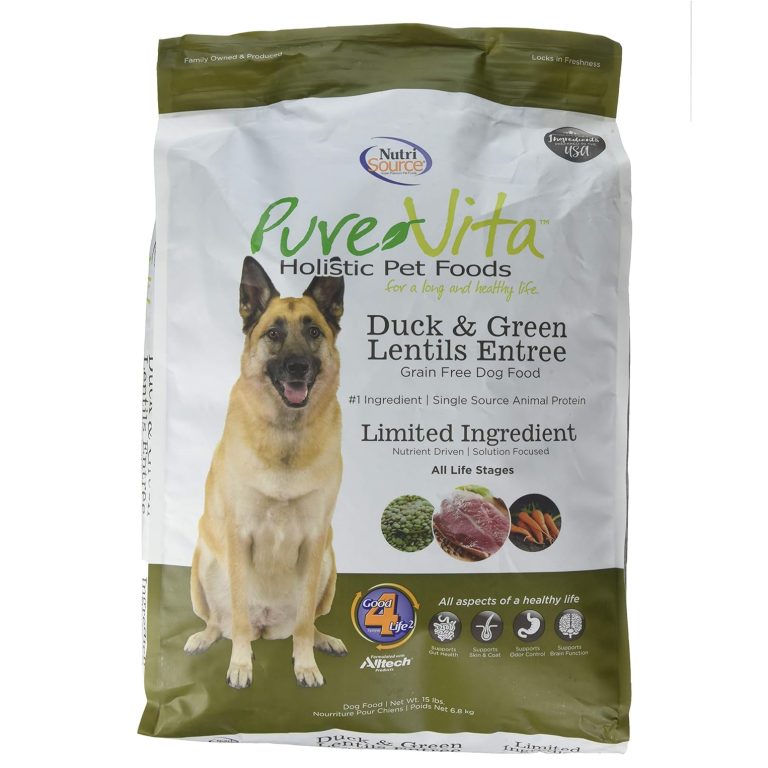
Excluding fillers, artificial preservatives, gluten-containing grains, or common allergens helps reduce immune activation. Many dogs with IBD benefit from limited-ingredient diets.

Never free-feed an IBD dog. For underweight dogs: Add 10-15% more calories than the maintenance number above. For overweight dogs with IBD: Feed at the calorie level for their ideal weight, not their current weight.
Can Dogs Eat? Healthy Eating for Cats.What Is IBD in Dogs? Despite its name, inflammatory bowel disease, or IBD, is not a disease but a syndrome that is caused by chronic irritation of the intestinal tract.

Learn about Inflammatory Bowel Disease (IBD) in dogs: symptoms, causes, diagnosis, and treatment options. A guide to looking after your dog.