Summary: This scoping review explores how psychological theories influence the treatment of adult ADHD, particularly the dominance of cognitive-behavioral theory. It suggests that a broader range of theoretical perspectives could lead to more effective treatment strategies.
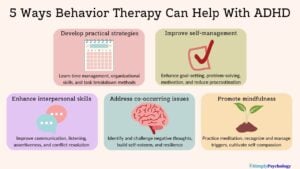
In the context of ADHD, behavior therapy focuses on improving specific behaviors such as organization, time management, and social skills.
From behavioral interventions to cutting-edge therapeutic approaches, this comprehensive resource unveils a spectrum of options tailored to the unique needs of those with ADHD and autism. Navigate the maze of available therapies, discovering the most effective and innovative solutions.
What are the principles and techniques of ABA therapy in managing autism and ADHD symptoms? Applied Behavior Analysis (ABA) therapy is rooted in the science of learning and behavior, heavily influenced by behaviorism. Its primary focus is on understanding and changing behavior through systematic interventions.
Explore Effective Behavioral Therapy Techniques for Autism and ADHD at RDCC Healthcare. Learn About ABA, CBT, and More for Improved Outcomes.
What are the techniques and strategies used in ABA therapy for children with autism and ADHD? ABA therapy employs a range of evidence-based techniques tailored to meet each child's unique needs.
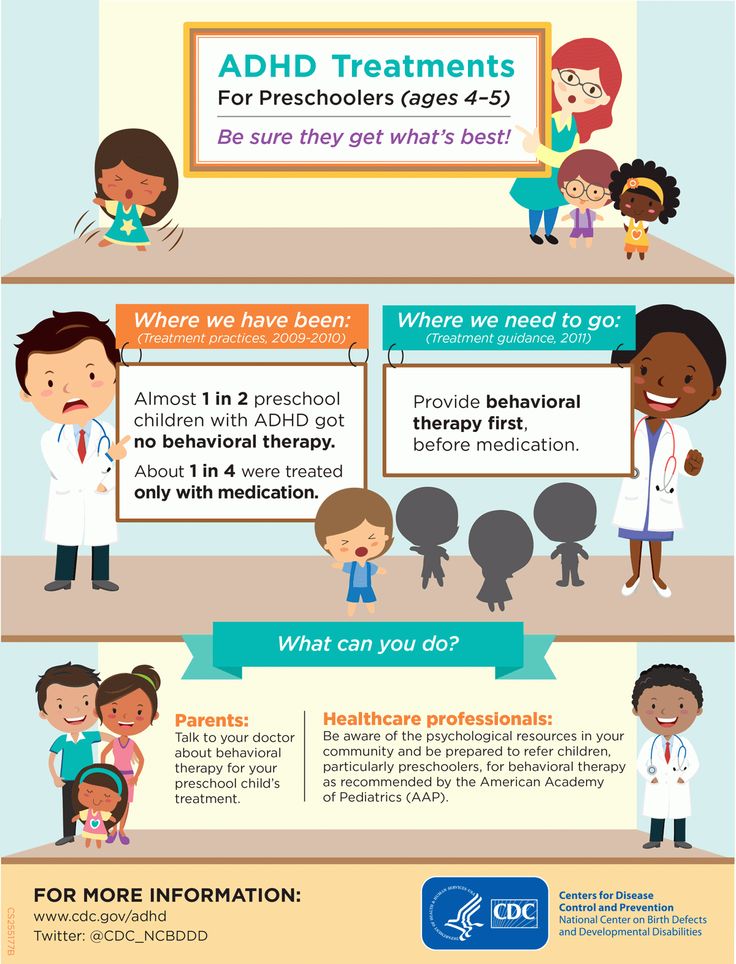
Behavior modification can be particularly effective for managing attention deficit hyperactivity disorder (ADHD). Techniques like positive reinforcement and positive punishment help encourage desired behaviors while discouraging impulsive or disruptive behavior.

This particular example perfectly highlights why Behavior Modification Techniques For Adhd And Autism is so captivating.
ABA therapy, while primarily known for its use with Autism Spectrum Disorder, has gained recognition for its effectiveness in managing ADHD. This therapy employs structured, evidence-based strategies to target the core symptoms of ADHD, such as impulsivity, hyperactivity, and inattention.
Applied Behavior Analysis (ABA) therapy is built on key behavioral principles essential for understanding and modifying behavior in children with ADHD. At its core, ABA focuses on observable behaviors and employs systematic strategies to effect change.